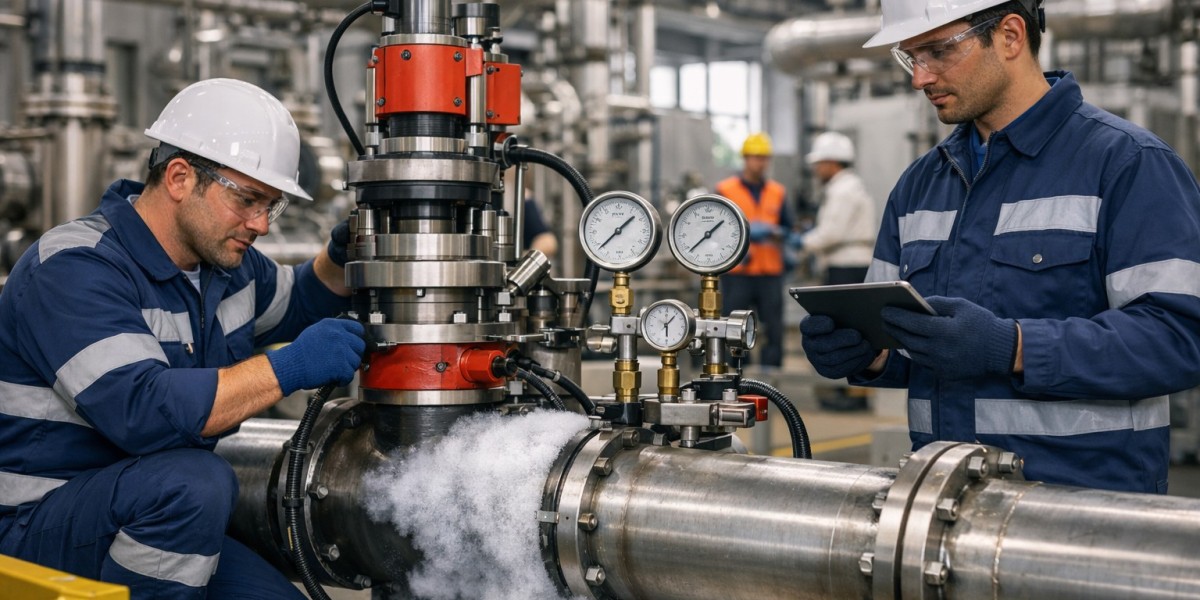

Industrial pipelines often carry water, oil, gas, or other important materials that need to keep flowing. Stopping the flow is not always possible because it can interrupt daily operations and increase costs. This is why Hot tapping services in Fujairah are widely used for many maintenance and pipeline modification projects. Hot tapping allows workers to connect a new branch or replace equipment without stopping the pipeline. It is a practical method that helps industries continue their work while important pipeline changes are completed safely.
What Is Hot Tapping?
Hot tapping is a method used to make a new connection to an existing pipeline or tank while it is still in operation. A special machine and cutting tool are attached to the pipe through a fitting and valve. The opening is made carefully without stopping the flow inside the pipeline.
This method is commonly used in industries such as oil and gas, water supply, manufacturing plants, chemical facilities, and power stations. It allows maintenance teams to complete planned work while keeping the system active.
Why Shutdown Methods Can Be Difficult
A complete shutdown means stopping the pipeline before maintenance begins. Although this method is sometimes necessary, it often creates several challenges.
First, production may stop for many hours or even days. This can affect factory operations and project schedules. Restarting the system may also require extra inspections and testing before everything returns to normal.
Shutdowns may also require draining the pipeline, cleaning it, and filling it again after work is finished. These additional steps increase the amount of work and the total project time.
Because of these reasons, many industries choose hot tapping whenever it is suitable for the pipeline and operating conditions.
How Hot Tapping Helps Keep Operations Running
One of the biggest advantages of hot tapping is that normal operations can continue during the work.
Factories, commercial buildings, and industrial plants often depend on continuous flow through their pipelines. Stopping these systems can delay production, affect customers, and interrupt important services.
With hot tapping, a new connection can be added while the pipeline continues to operate. This helps companies avoid unnecessary downtime and keeps daily work moving without major interruptions.
Reduces Maintenance Time
Hot tapping usually requires less overall maintenance time than a complete shutdown.
Since there is no need to empty the pipeline or restart the entire system, many preparation steps are removed. Workers can focus directly on installing the new connection or equipment.
Less maintenance time also helps project teams complete scheduled work more efficiently without extending the maintenance period.
Helps Reduce Operational Costs
Pipeline shutdowns often increase operating costs because production stops during maintenance.
Extra labor may be required to empty, clean, inspect, and restart the pipeline. Equipment may also remain unused during the shutdown period, creating additional expenses.
Hot tapping helps reduce many of these costs because the system continues operating while maintenance work is carried out. Fewer interruptions often mean better use of time and resources.
Supports Safe Pipeline Modifications
Safety is always an important part of pipeline work. Hot tapping follows a planned process using trained professionals, approved equipment, and detailed inspections before work begins.
Engineers first evaluate the condition of the pipeline. They check factors such as pipe material, pressure, temperature, and operating conditions. After these checks, the correct equipment is selected for the job.
Careful planning helps ensure the work is completed safely while protecting both workers and the pipeline system.
Common Industries That Use Hot Tapping
Many industries use hot tapping because continuous operation is important for their daily activities.
Some common examples include:
- Oil and gas facilities
- Water distribution systems
- Chemical processing plants
- Manufacturing factories
- District cooling systems
- Power generation plants
- Fire protection pipeline networks
These industries often need to add new branches, install valves, or connect additional pipelines without interrupting normal operations.
When Shutdown Methods Are Still Needed
Although hot tapping offers many advantages, it is not the right solution for every situation.
Some pipelines may have damage, corrosion, or operating conditions that require a full shutdown before repairs can begin. Safety assessments help determine which method is suitable for each project.
Every pipeline is different, so engineers carefully study the system before selecting the maintenance approach.
Why Careful Planning Is Important
Successful hot tapping depends on good planning before any work starts.
The pipeline must be inspected carefully to confirm it can safely support the procedure. Proper equipment must be selected, and experienced technicians must follow approved working methods.
Risk assessments, pressure checks, equipment inspections, and safety procedures all play an important role in completing the work correctly.
Good preparation reduces unexpected problems and helps the project move smoothly from start to finish.
Choosing the Right Maintenance Method
Every maintenance project has different requirements. Some situations need a complete shutdown, while others can safely use hot tapping.
The choice depends on factors such as pipeline condition, operating pressure, fluid type, temperature, and project goals. Careful evaluation allows engineers to select the most suitable method for each pipeline.
For many industrial systems, Hot tapping services in Fujairah provide an effective option for making pipeline connections while allowing normal operations to continue with proper planning and safety procedures.