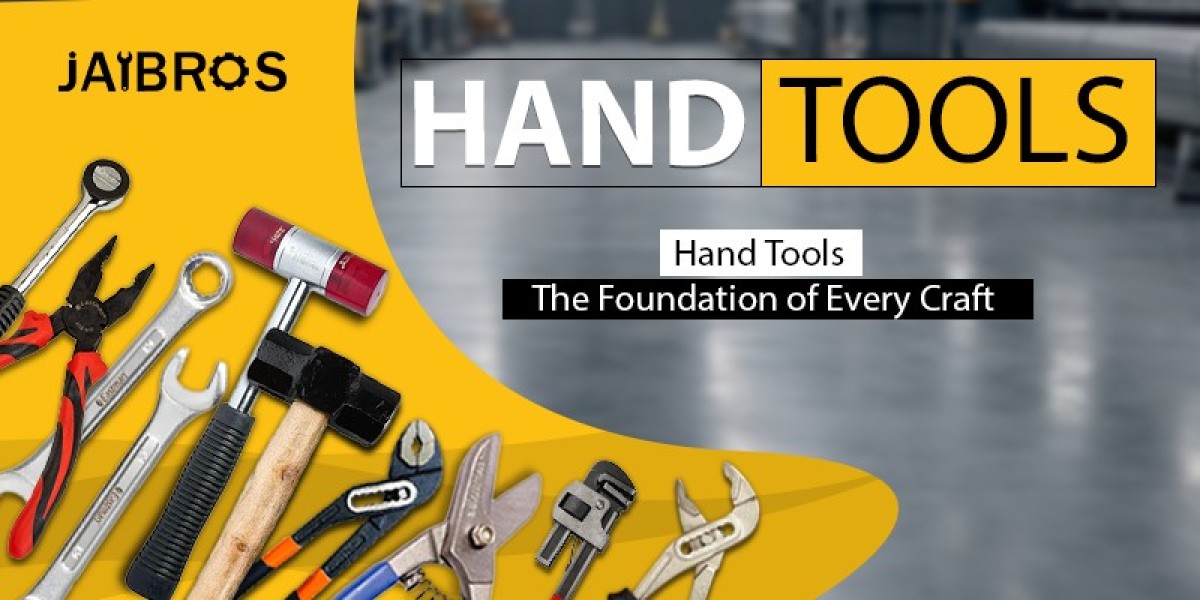

Industrial work demands precision, consistency, and technical understanding. While advanced machines have transformed manufacturing processes, the importance of manual equipment has never disappeared. Every technician, maintenance engineer, machine operator, and production professional relies on hand tools to perform installation, adjustment, inspection, repair, and routine maintenance tasks. Knowing which tool to use and how to use it correctly improves work quality, reduces mistakes, and ensures that every task is completed efficiently.
Modern industries often combine manual operations with automation. Professionals may operate a CNC tool for machining while depending on manual equipment for setup, alignment, calibration, and servicing. Learning the correct methods of tool selection, handling, and maintenance through a reliable hand tools guide helps build practical skills that improve workplace safety and long-term productivity.
Understanding the Value of Tool Knowledge
All industrial processes start from choosing appropriate equipment. Even experienced professionals may have problems or even destroy their equipment using inappropriate tools. Knowing how to use industrial tools does not only mean to know their names but also to know how and when to use them safely.
If professionals know how to use industrial hand tools, they can feel confident because they will be aware of the equipment that produces the best results in a particular process.
Some important advantages include:
Better accuracy during maintenance work.
Reduced damage to machine components.
Faster completion of daily tasks.
Improved workplace safety.
Higher confidence while handling technical jobs.
Better coordination between maintenance and production teams.
A knowledgeable professional also identifies worn or damaged equipment before it creates larger operational problems.
How Proper Tool Selection Improves Efficiency
Industrial environments require workers to complete multiple tasks throughout the day. Selecting the correct equipment helps save time while improving work quality. Instead of forcing one tool to perform every job, experienced professionals understand the importance of choosing equipment according to the application.
For example, tightening precision fasteners requires different equipment than assembling heavy mechanical structures. Similarly, although a CNC tool performs highly accurate machining operations, manual tools remain essential for inspection, machine setup, alignment, and servicing.
Keeping a properly organized hand tool kit further increases efficiency because frequently used equipment remains easily accessible. A well-maintained toolkit allows technicians to respond quickly without interrupting production.
A complete toolkit may include:
Combination spanners
Adjustable wrenches
Screwdrivers
Pliers
Hammers
Allen keys
Measuring tools
Torque accessories
Routine inspection and cleaning also extend tool life while maintaining reliable performance.
Safety Depends on Proper Knowledge
Safety is one of the biggest reasons why tool knowledge matters. Workplace accidents often occur because workers choose the wrong equipment or use the correct tool incorrectly. Understanding safe handling techniques significantly reduces these risks.
Before beginning any task, professionals should inspect hand tools for cracks, excessive wear, loose handles, rust, or damaged gripping surfaces. Defective equipment should never be used because even a minor defect can lead to injury or damage.
Good safety practices include:
Select the correct size for every application.
Never modify tools beyond their intended purpose.
Wear appropriate personal protective equipment.
Keep the work area clean and organized.
Clean equipment after every use.
Store tools in designated locations.
Replace damaged equipment immediately.
Today, many professionals compare specifications using hand tool online platforms before making purchasing decisions. This allows them to evaluate product features, materials, durability, and compatibility before investing.
Continuous Learning Makes Better Professionals
Every year, there is development of industrial technology. New materials, processes, and maintenance approaches make it necessary for professionals to learn continually. The acquisition of practical knowledge is not a one-off event.
Technical manuals reading, participating in training workshops, learning from experienced professionals and practicing appropriate techniques are some ways of building up strong technical knowledge. Learning through experience makes the professional familiar with the performance of the different tools in various conditions of operation.
The possession of an efficient set of hand tools is equally essential. Instead of buying unneeded machines, professionals should concentrate on buying strong and reliable tools used in the industry.
Continuous learning helps professionals:
Improve troubleshooting skills.
Increase maintenance efficiency.
Reduce operational downtime.
Improve workplace safety.
Extend equipment life.
Deliver consistent work quality.
Many buyers now prefer researching products through hand tool online resources because comparing technical specifications helps them choose equipment suitable for their requirements instead of relying only on pricing.
Building Long-Term Professional Confidence
Technical know-how makes people confident. When people have knowledge about how each tool works, they do their work perfectly and make decisions when unforeseen things happen. Confidence also enhances communication in various departments because technicians will be able to explain technical problems and provide solutions.
Practical know-how involves a lot of patience and practice. It is important for one to have knowledge of how to store tools, maintain them, use them, and also know the material that was used to make the tool to be able to perform effectively.
Conclusion
Being successful in an industrial environment requires both technical skills and hands-on experience. Even in a highly automated environment, there is still a need for the use of manual tools in carrying out tasks such as inspection, maintenance, and repairs. Experts in selecting, using and maintaining these tools are capable of boosting their productivity and avoiding any errors in the workplace. Continued learning helps develop technical skills and prepare for any future challenges in the industrial world. Jaibros has continued to offer the best industrial solutions to the ever-growing needs of industries through reliable tools and equipment.
FAQs
1. Why is tool knowledge important for industrial professionals?
It improves safety, accuracy, productivity, and overall work quality.
2. How often should hand tools be inspected?
They should be checked before every use and maintained regularly.
3. What should a basic hand tool kit contain?
It should include spanners, screwdrivers, pliers, hammers, Allen keys, and measuring tools.
4. Can manual tools still be useful with automated machines?
Yes. They are essential for setup, maintenance, adjustments, inspections, and repairs.
5. How can professionals improve their technical knowledge?
By reading manuals, attending training programs, practicing regularly, and learning from experienced professionals.