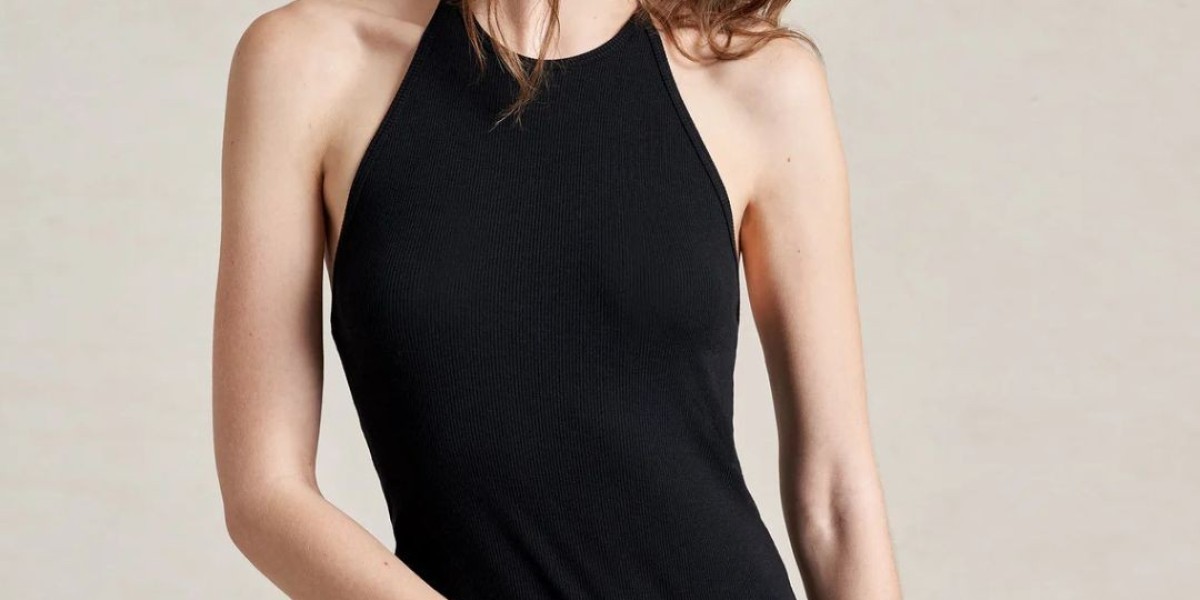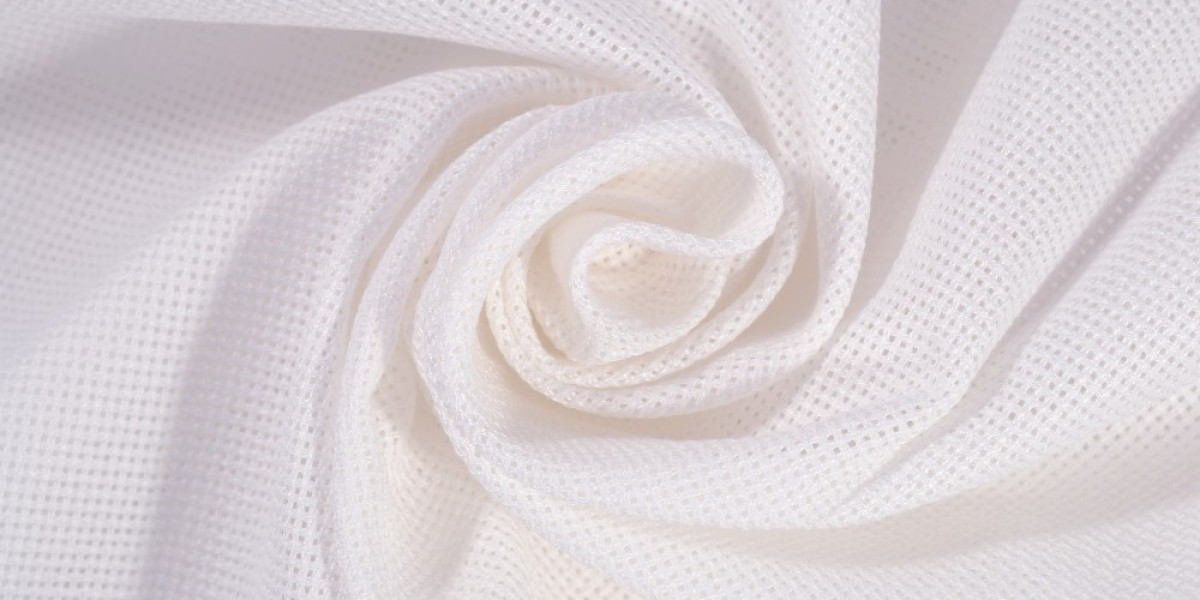

Matching cotton fabric to your target audience means aligning fabric type, feel, durability, and price point with your customers' values and expectations. Brands targeting eco-conscious buyers should consider organic or recycled cotton, while premium brands benefit most from Supima or Pima cotton. The right match builds trust, drives repeat purchases, and strengthens brand identity.
Fabric choice does more than determine how a garment feels—it sends a direct message to your customer. Soft, breathable cotton tells a comfort-first story. Premium long-staple cotton communicates luxury without a word. And recycled cotton signals that your brand takes sustainability seriously.
For fashion brands, this decision is strategic. The wrong fabric for your audience can lead to poor reviews, high return rates, and a brand image that doesn't stick. Getting it right, on the other hand, builds loyalty and makes your product line far easier to market.
This post breaks down how to identify your audience, understand your cotton fabric options, and make sourcing decisions that align with your brand values—whether you buy fabric online or work directly with a supplier.
Why Understanding Your Target Audience Comes First
Before you choose a fabric, you need a clear picture of who you're selling to.
How Demographics and Psychographics Shape Fabric Decisions
Demographics tell you the basics: age, income, location, gender. But psychographics—your customers' values, lifestyle choices, and buying motivations—are what actually drive fabric selection.
A 28-year-old urban professional who shops sustainably thinks differently from a budget-conscious college student or a corporate buyer sourcing uniforms at scale. Each of these buyers has a different expectation for how a product should feel, last, and be priced.
Ask these questions before choosing your cotton fabric:
Does my audience prioritize comfort, durability, aesthetics, or sustainability?
What price point do they consider "value for money"?
Are they buying for daily wear, activewear, occasion wear, or workwear?
Do they read ingredient labels on their clothing?
How Brand Identity Guides Fabric Choice
Your brand identity and your fabric choice need to be consistent. If you market your brand as premium and minimalist, but you source a low-grade cotton blend, customers will feel the disconnect—literally.
Align your fabric to your brand positioning from the start. It simplifies your sourcing decisions and creates a consistent experience across your product line.
Types of Cotton Fabric: What Each One Offers
Not all cotton performs the same. Here's a clear breakdown of the main types and when each one makes sense.
Organic Cotton
Organic cotton is grown without synthetic pesticides or fertilizers. It's certified by bodies like GOTS (Global Organic Textile Standard) and appeals strongly to eco-conscious consumers.
Best for: Sustainable fashion brands, children's clothing, wellness and lifestyle brands.
Trade-off: It typically costs 20–30% more than conventional cotton, but that premium is often passed on—and accepted—by the right audience.
Pima Cotton
Pima cotton has longer fibers than standard cotton, which makes it softer, more durable, and more resistant to pilling. It's grown primarily in Peru, the US, and Australia.
Best for: Mid-to-premium casual wear, bedding, and everyday basics that need to hold up over time.
Trade-off: Higher price than standard cotton but lower than Supima. A solid mid-range choice.
Supima Cotton
Supima is a trademarked variety of extra-long staple cotton grown exclusively in the United States. It's stronger, softer, and more colorfast than regular cotton—making it a go-to for high-end apparel.
Best for: Luxury fashion brands, premium basics, high-end retail.
Trade-off: It's one of the most expensive cotton options. Positioning and pricing need to reflect that.
Recycled Cotton
Recycled cotton is made from post-industrial or post-consumer textile waste. It has a lower environmental footprint than virgin cotton and resonates with brands prioritizing circular fashion.
Best for: Eco-forward streetwear, activewear, capsule collections.
Trade-off: Recycled cotton has shorter fibers, which can affect fabric strength and softness. Blending it with other materials often improves performance.
Cotton Blends
Cotton blended with polyester, elastane, or modal offers properties that pure cotton can't always deliver—stretch, moisture-wicking, wrinkle resistance, and lower cost per meter.
Best for: Activewear, workwear, affordable fashion, high-volume production.
Trade-off: Blends are less biodegradable than 100% cotton, which matters to environmentally conscious customers.
Matching Cotton Fabric to Your Audience's Specific Needs
Once you know your audience and your options, the matching process becomes straightforward.
Comfort and Feel
If your customers prioritize wearability—especially for everyday or loungewear—softness is non-negotiable. Pima and Supima cotton score highest here. Organic cotton also performs well, particularly for sensitive skin.
For activewear or performance-focused products, cotton blends with elastane or moisture-wicking fibers are more practical.
Durability and Sustainability
Customers who read product labels and care about longevity will notice the difference between long-staple and short-staple cotton. If sustainability is a core brand value, organic or recycled cotton gives you a credible, verifiable story to tell—one that holds up to scrutiny.
Price Point and Perception
Fabric is a significant part of your cost of goods. Your fabric choice needs to work within your pricing model and still feel justified at the retail price.
Audience Type | Recommended Cotton | Expected Price Range |
Budget-conscious | Standard cotton or blends | Low to mid |
Mid-market | Pima cotton | Mid |
Premium/Luxury | Supima cotton | High |
Eco-conscious | Organic or recycled cotton | Mid to high |
Case Studies: Brands That Got the Fabric-Audience Match Right
Example 1: A Sustainable Brand Using Organic Cotton
A direct-to-consumer womenswear brand targeting millennials repositioned itself around sustainability. By switching to GOTS-certified organic cotton and communicating that clearly on packaging and product pages, the brand saw a 40% increase in repeat purchases within 12 months. The fabric choice matched the audience's values and gave them something concrete to connect with.
Example 2: A Luxury Brand Using Supima Cotton
A premium men's basics brand built its entire product line around Supima cotton T-shirts. By keeping the design minimal and leading with fabric quality in all marketing—"100% American Supima Cotton"—the brand justified a retail price 3x higher than standard alternatives. Customers understood exactly what they were paying for.
Sourcing Cotton Fabric: Where to Buy Fabric Online
Getting the right fabric is only half the challenge. Finding a reliable supplier is the other half.
The Advantages of Buying Fabric Online
Online fabric sourcing has made it significantly easier for brands of all sizes to access a wider variety of materials, compare specifications, and place orders without being tied to a local market. The key advantages include:
Access to a broader supplier base across multiple fabric types
Easier price comparison and bulk pricing transparency
Digital swatch kits and sample ordering before committing to bulk
Faster turnaround on reorders
When you buy fabric online, look for suppliers who provide clear fabric specifications, certifications (like GOTS for organic cotton), and consistent quality across batches.
Fabriclore Pvt Ltd: A Reliable Option for Cotton Fabric
For brands looking to source cotton fabric—both in-store and online—Fabriclore Pvt Ltd stands out as one of India's most capable fabric suppliers. Whether you're sampling a new collection or scaling to industrial volumes, Fabriclore offers:
5,000+ base fabrics available for physical selection at their Experience Studio
20 lakh meters per month of processing capacity through a vetted manufacturing network
ERP-backed quality governance, including digital Quality Passports for every batch
Low MOQ options, making it accessible for emerging brands alongside enterprise-level clients
Trusted by 400+ private labels globally
Fabriclore serves as a single point of contact from the first swatch to bulk production—covering organic cotton, Pima, blends, and more. For brands that want to buy fabric online without sacrificing quality control, it's a strong option to evaluate.
Making the Right Fabric Decision for Your Brand
Choosing the right cotton fabric isn't a purely aesthetic decision—it's a business decision. The fabric you choose tells your customer who you are before they even read your brand story.
Start with your audience. Understand what they value, what they'll pay, and what they expect from your product. Then match your fabric selection to those expectations, and source from suppliers who can back up quality with transparency and consistency.
Whether you're an emerging label or scaling toward enterprise production, the brands that get this right build stronger products, clearer positioning, and more loyal customers.
Ready to find the right cotton fabric for your brand? Explore Fabriclore's full range online or visit their Experience Studio to select fabrics in person before committing to bulk.
Frequently Asked Questions
What is the best cotton fabric for an eco-conscious brand?
Organic cotton is the most credible choice for eco-conscious brands. It's grown without synthetic pesticides, certified by recognized bodies like GOTS, and appeals directly to consumers who prioritize sustainable purchasing. Recycled cotton is another strong option for brands building a circular fashion model.
What is Supima cotton, and when should a brand use it?
Supima cotton is a premium, extra-long staple cotton grown exclusively in the United States. It's softer, stronger, and more colorfast than standard cotton. Brands should use Supima cotton when targeting a luxury or premium audience willing to pay a higher retail price for verifiably better quality.
How do I decide between 100% cotton and a cotton blend?
Choose 100% cotton if your audience values natural materials, breathability, or sustainability. Choose a cotton blend if your product requires stretch, moisture management, or wrinkle resistance—common in activewear and workwear. Blends are also more cost-effective for high-volume production.
Where can I buy fabric online for my fashion brand?
Several online platforms allow brands to source cotton fabric in small or large quantities. Fabriclore Pvt Ltd is one of the most comprehensive options, offering 5,000+ fabric varieties, low MOQ sampling, and scalable bulk production with full quality tracking. It serves both local buyers and international private labels.
How does fabric choice affect brand perception?
Fabric choice directly shapes how customers perceive your brand's quality, values, and price positioning. A premium long-staple cotton signals craftsmanship. Organic cotton communicates environmental responsibility. A poor-quality fabric—regardless of how the product is marketed—erodes trust and increases returns.