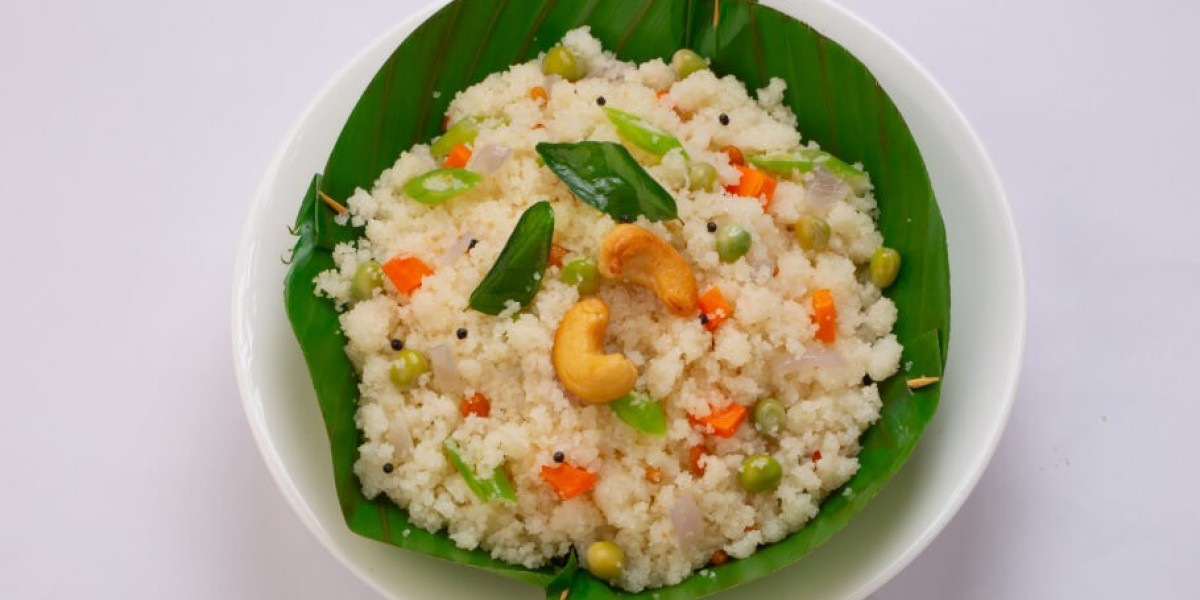

Diabetics: Millet Upma Recipe
Can Millet-Based Meals Be Included in a Balanced Lunch?
South Indian cuisine includes several simple and comforting meals prepared using grains, vegetables, and traditional spices. Upma is one of the most commonly prepared dishes because of its versatility and ease of cooking.
While traditional upma is often prepared using semolina, millet-based versions have become popular for people looking to include more whole grains in their meals. Millet Upma combines millets, vegetables, and aromatic spices to create a filling and balanced meal option.
This recipe also uses minimal oil and focuses on dry tempering techniques, helping preserve flavor while keeping the preparation simple.
What Is Millet Upma?
Millet Upma is a savory South Indian dish prepared using millets instead of refined grains. It is typically cooked with vegetables, spices, and herbs to create a complete meal.
Common ingredients include:
Millets
Vegetables
Curry leaves
Ginger
Mustard seeds
Lentils and spices
The result is a warm and satisfying dish that can be enjoyed for lunch or breakfast.
Why Millets Are Used in This Recipe
Millets are traditional grains that have been used across India for generations.
They may provide:
Dietary fiber
Plant-based nutrients
Better meal satisfaction
Whole grain variety
Replacing refined grains with millets may support more balanced meal choices.
Features of This Millet Upma
This recipe includes several simple modifications:
Millet instead of refined grains
Dry tempering technique
Inclusion of vegetables
Minimal added oil
Flexible ingredient options
These changes help create a wholesome meal while maintaining familiar flavors.
Ingredients
Main Ingredients
Millet semolina or foxtail millet (prepared quantity as required)
¼ lemon
Fresh coriander for garnish
Salt to taste
2 cups water
Vegetables
Peas
Carrots
Onions
Optional additions:
Spinach
Greens
Mixed vegetables
For Dry Tempering
Split urad dal
Mustard seeds
Cumin seeds (jeera)
Green chillies
Ginger
Curry leaves
Asafoetida (hing)
Peanuts
Dry red chillies
Understanding Portion Balance
Meal structure often matters as much as ingredient choice.
A balanced meal pattern may include:
Moderate portions of grains
Plenty of non-starchy vegetables
A modest amount of protein-rich foods
Examples include:
Lentils
Paneer
Eggs
Legume-based dishes
Serving meals in moderate portions instead of oversized plates can help improve meal balance.
Step-by-Step Method
Step 1: Dry Roast the Urad Dal
Heat a heavy-bottomed pan over medium heat.
Add split urad dal in a single layer.
Roast while stirring continuously.
Continue roasting for approximately 4–6 minutes until:
Color becomes pale golden
Aroma turns warm and nutty
Transfer immediately to a plate to avoid overcooking.
Step 2: Prepare the Dry Tempering
Add:
Mustard seeds
Cumin seeds
Allow them to splutter.
Add:
Green chillies
Ginger
Curry leaves
Cook briefly for a few seconds.
Sprinkle asafoetida.
Step 3: Add Millet Base
Add millet semolina or prepared millet.
Mix thoroughly so spices coat the grain evenly.
Step 4: Add Vegetables
Add:
Peas
Carrots
Onions
Season with salt.
Mix well.
Additional vegetables like spinach or greens may also be included.
Step 5: Add Water and Cook
Pour approximately 2 cups of water.
Pressure cook for around three whistles.
Cooking time may vary depending on millet type.
Step 6: Finish and Serve
Transfer cooked upma into a serving bowl.
Garnish with:
Fresh coriander
Lemon juice
Serve warm.
Why Dry Tempering Is Used
Dry tempering helps build flavor without relying heavily on oil.
This method focuses on:
Roasting spices
Releasing natural aroma
Enhancing texture
Traditional tempering methods can often be adapted using lower amounts of added fat.
Variations You Can Try
Millets can be used in different ways:
Millet Rotis
Prepare millet dough and cook similarly to traditional rotis.
Millet Curd Rice
Cook millets and cool.
Mix with vegan curd, ginger, and salt.
Finish with simple dry tempering.
These variations create additional meal options using the same grain base.
Tips for a More Balanced Lunch
Simple habits can improve overall meal quality:
Include more vegetables
Use moderate grain portions
Add protein-rich foods
Maintain regular meal timing
Avoid oversized evening meals
Small adjustments often make meals more satisfying and practical.
Conclusion
Millet Upma is a traditional-style South Indian meal prepared using whole grain millets, vegetables, and aromatic spices. Its simple cooking method and flexible ingredients make it easy to adapt to everyday eating patterns.
Using dry tempering and including vegetables helps maintain flavor while supporting a balanced approach to meal preparation.
If you want to read more about, visit our blog.