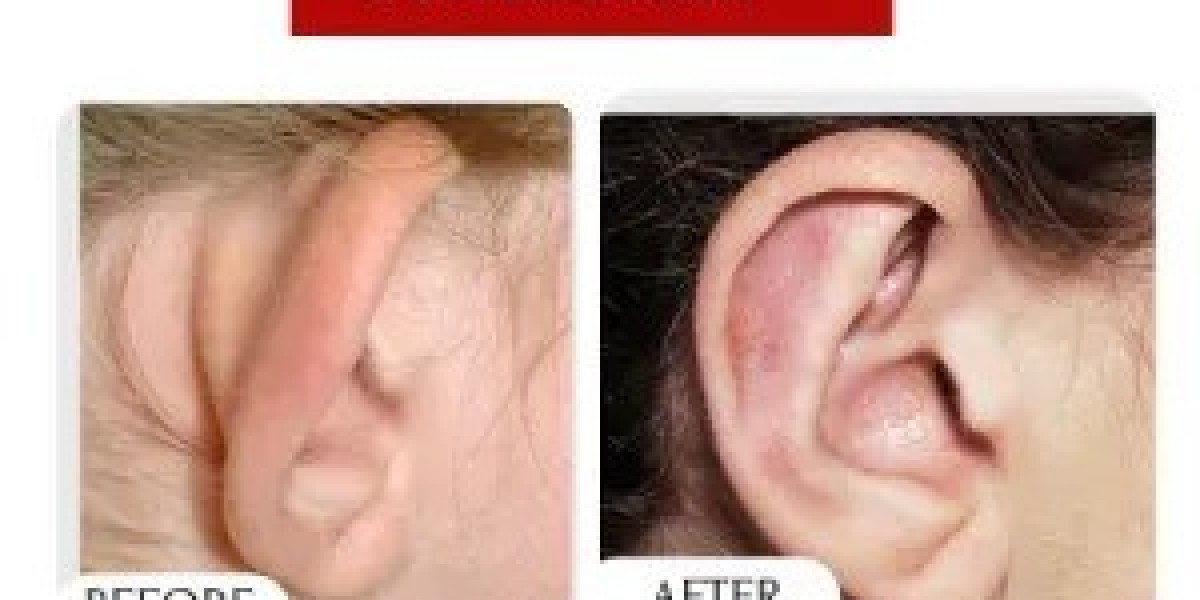

Ear surgery, commonly known as otoplasty or ear reshaping surgery, is a cosmetic procedure designed to improve the shape, position, or proportion of the ears. It is one of the most straightforward cosmetic surgeries, often chosen by people who feel self-conscious about prominent, uneven, or misshapen ears.
This simple guide explains what ear surgery is, how it works, and what to expect before and after the procedure.
What Is Ear Surgery?
Ear surgery (otoplasty) is a procedure that adjusts the external ears to create a more balanced and natural appearance. It does not affect hearing because it only involves the outer part of the ear.
It is commonly used to:
- Pin back prominent ears
- Improve ear symmetry
- Reshape ear cartilage
- Correct congenital ear deformities
- Repair minor ear injuries
The goal is to make the ears look more proportionate to the face.
Why People Choose Ear Surgery
Many individuals choose ear surgery for personal and cosmetic reasons.
Common motivations include:
- Feeling self-conscious about ear shape
- Ears sticking out too much
- Uneven or asymmetrical ears
- Desire for better facial balance
- Improving confidence in social situations
Even small changes in ear position can make a noticeable difference in overall appearance.
How Ear Surgery Works (Simple Steps)
Ear surgery is a straightforward procedure performed in a hospital or clinic setting.
1. Consultation
The surgeon examines your ears and discusses your goals.
2. Anesthesia
You may receive local anesthesia with sedation or general anesthesia, depending on your case.
3. Small Incisions
Small cuts are made behind the ears, so scars are hidden.
4. Reshaping the Ear
The surgeon reshapes or repositions the cartilage to improve appearance.
5. Stitches and Dressing
Internal stitches hold the new shape, and a bandage is applied for protection.
The procedure usually takes 1 to 3 hours.
Recovery After Ear Surgery
Recovery is usually easy compared to other surgeries.
First Few Days
- Mild swelling and soreness
- Head bandage worn
- Rest is important
First Week
- Most people return to normal routines
- Discomfort is usually mild
2–4 Weeks
- Swelling decreases
- Ears settle into new position
4–6 Weeks
- Full return to normal activities
- Side sleeping may be allowed again
Final results continue improving for a few months.
Benefits of Ear Surgery
Ear surgery offers both physical and emotional benefits:
- Improved ear shape and position
- Better facial balance
- Natural-looking results
- Increased confidence
- Long-lasting improvement
- Minimal visible scarring
Most patients feel more comfortable with their appearance after healing.
Is Ear Surgery Safe?
Yes, ear surgery is generally considered safe when performed by a qualified surgeon. It is a low-risk cosmetic procedure with a high success rate.
Possible minor risks include:
- Temporary swelling or bruising
- Mild pain or discomfort
- Small scars
- Rare infection or asymmetry
Following aftercare instructions helps reduce these risks.
Who Is a Good Candidate?
You may be a good candidate if you:
- Have prominent or uneven ears
- Are in good overall health
- Have realistic expectations
- Want long-term cosmetic improvement
Both children (usually age 5+) and adults can undergo ear surgery.
Conclusion
Ear surgery is a simple, safe, and effective way to improve ear appearance and facial balance. With a straightforward procedure, short recovery time, and long-lasting results, otoplasty offers a reliable solution for individuals seeking a more confident and natural look.
By understanding the basic steps and recovery process, patients can feel more comfortable and prepared before choosing surgery.