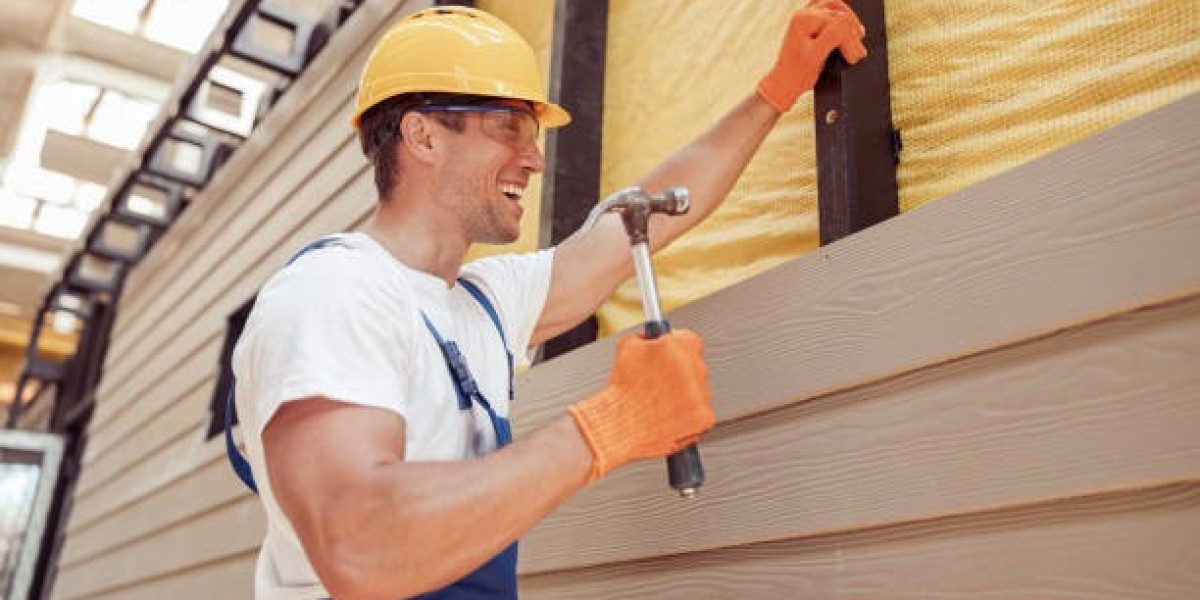
Why the Installation Matters Just as Much as the Siding You Choose
Homeowners spend weeks agonizing over siding color and material, then hand the actual installation over to whoever quoted the lowest price. That's backwards. The material can be excellent and still fail early if it goes up wrong. The install is where most long-term problems either get prevented or built right in.
Your Siding Does More Than You Think
It's easy to think of siding as purely cosmetic, the thing that makes a house look nice from the street. In practice, it's the first line of defense against rain, wind, and temperature swings, all of which Seattle has in abundance. Behind the panels sits a moisture barrier, flashing around windows and doors, and insulation that all depend on the siding being installed correctly to do their job. A beautiful panel over a sloppy install is like a nice coat with a hole in the lining.
The Real Cost of a Rushed Installation
Poorly installed siding tends to fail quietly at first. Water finds a gap at a corner or a window trim, and it doesn't show up as a problem until months later, when you notice a soft spot on the wall or a musty smell in a closet that shares that wall. By the time it's visible, the damage is usually already inside the sheathing, and fixing it costs far more than the original installation would have. A rushed crew trying to finish a job in two days instead of four is often where these problems start.
Materials Matter, But So Does the Install
Fiber cement, vinyl, and engineered wood each have different installation requirements around nailing patterns, expansion gaps, and fastener spacing. Manufacturers publish detailed installation guides for a reason, and a crew that skips steps to save time can void the product warranty without you ever knowing it happened. When you're comparing quotes, ask directly whether the crew follows manufacturer specifications, and ask them to explain what that looks like in practice. A team that can answer clearly is usually a team that actually does it.
What a Good Installation Crew Actually Checks
Before a single panel goes up, a careful crew checks the sheathing underneath for rot or soft spots, verifies the house wrap is intact, and makes sure flashing around every window and door is properly layered so water sheds outward instead of behind the wall. These steps take time and don't show up in the finished look, which is exactly why some companies skip them. Reputable siding installation services treat this prep work as non-negotiable, not an upsell.
Weather, Timing, and Why Seattle Is Its Own Challenge
Installing siding in a climate that sees rain more months than not adds a layer of difficulty that drier regions don't deal with. Panels and house wrap need to go up during dry windows, and crews working here need a real plan for weather delays rather than pushing through in the rain and hoping for the best. Ask a prospective contractor how they handle a forecast that turns against them mid-project. A vague answer usually means they haven't thought it through.
Energy Bills and the Insulation Connection
Modern siding systems often pair with rigid foam insulation or updated house wrap that can meaningfully cut heating costs, especially in older homes with minimal wall insulation to begin with. This only works if the layers are installed correctly and sealed at seams and penetrations. A poorly sealed system can leave gaps that let conditioned air escape, which quietly erases any energy savings the new material was supposed to provide. If lowering your energy bill is part of why you're doing this project, say so upfront so your contractor can plan the assembly around it.
How to Vet a Company Before You Sign Anything
Ask for photos of completed projects that are at least a year or two old, not just fresh installs. Siding that still looks tight and properly sealed after a couple of Seattle winters tells you far more than a brand-new job ever could. Also ask what warranty covers workmanship specifically, separate from the manufacturer's material warranty, and get that in writing. A company confident in its work won't hesitate to put a workmanship guarantee on paper.
It's also worth asking how the crew protects your landscaping, windows, and existing trim during the tear-off and install process. Good crews cover garden beds, lay down protective sheeting, and clean up debris daily rather than letting it pile up for a week. These small habits usually point to a team that takes the whole job seriously, not just the visible parts.
When you're ready to compare estimates, look for companies whose siding installation services include a written scope of work, a materials list with specific brands, and a realistic timeline that accounts for Pacific Northwest weather rather than assuming ideal conditions the whole way through.
Permits, Neighbors, and the Parts People Forget
Depending on your neighborhood and whether you're changing the exterior appearance significantly, a siding project can require a permit in Seattle, especially in areas with design review requirements. It's also common courtesy, and sometimes a practical necessity, to give neighbors a heads-up before scaffolding or dumpsters show up on a shared property line. A contractor who's worked in the city for years will usually flag these details before you have to ask, simply because they've run into them before on other jobs nearby.
Final Thoughts
New siding is a big investment, and it's one that touches the whole exterior of your home for the next several decades, not just the next few months. The payoff depends far more on the crew's attention to detail than most homeowners expect going in. Ask the harder questions before you sign, check real references, and don't let price alone decide who gets the job. A properly installed exterior will protect your home for decades. A rushed one might look fine for a season before problems start working their way to the surface.