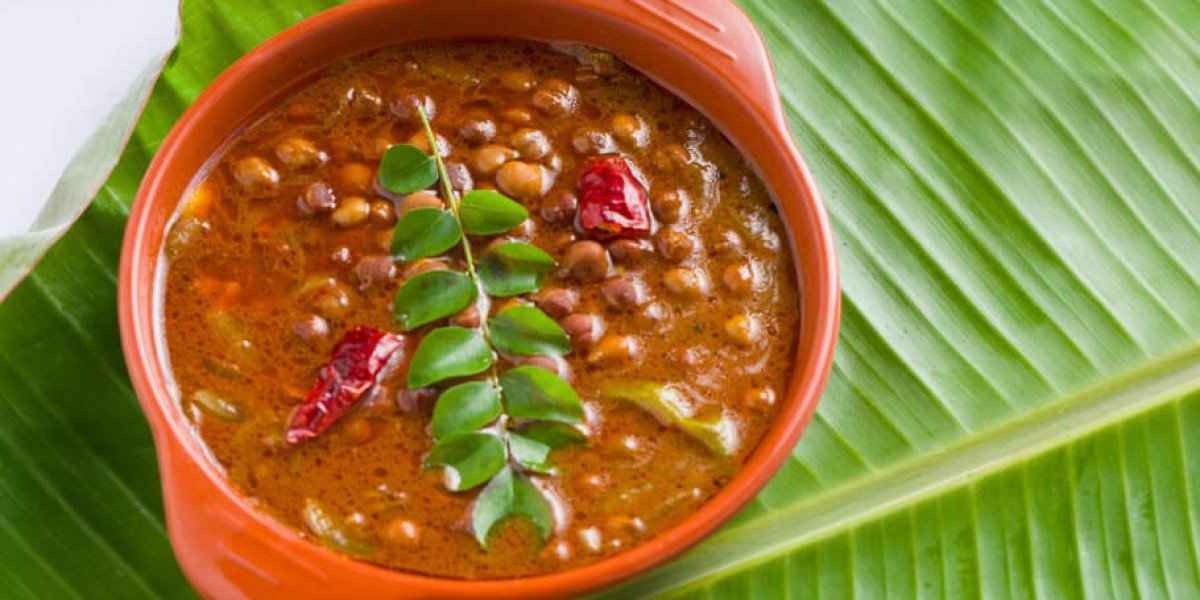

Healthy South Indian Lunch Recipes for Diabetics: Athikai Kootu
Can Traditional South Indian Kootu Be Part of a Balanced Meal?
South Indian cuisine includes a wide variety of wholesome dishes that combine vegetables, lentils, and spices into nourishing meals. Among these traditional preparations, Kootu is a popular dish that brings together vegetables and dal in a mildly spiced gravy.
Athikai Kootu is a unique Tamil Nadu recipe made using unripe figs (Athikai) and moong dal. The combination of fiber-rich figs and protein-containing lentils makes it a satisfying dish that can fit into a balanced meal. Its simple preparation and nutritious ingredients have made it a valued part of traditional South Indian cooking.
What Is Athikai Kootu?
Athikai Kootu is a South Indian curry prepared with unripe figs and split green gram (moong dal). Unlike heavily spiced curries, kootu recipes are generally mild, allowing the natural flavors of vegetables and lentils to stand out.
The dish is commonly served with:
Rice
Millet-based meals
Vegetable side dishes
Traditional South Indian lunches
Its combination of vegetables and legumes creates a meal that is both filling and nutritious.
What Makes This Recipe Unique?
Athikai Kootu stands out because it uses unripe figs, an ingredient that is not commonly found in everyday curries.
Some highlights of this recipe include:
Unripe figs as the primary vegetable
Moong dal for added protein
Traditional South Indian spices
High fiber content
Simple cooking method
The use of figs gives the dish a distinctive taste and texture while contributing valuable nutrients.
Nutritional Benefits of Unripe Figs
Figs are known for their nutritional value and are naturally rich in dietary fiber.
They may provide:
Fiber for digestive health
Vitamins and minerals
Natural plant compounds
Support for meal satisfaction
Including a variety of fruits and vegetables in meals helps improve overall nutrient intake.
Benefits of Moong Dal
Moong dal is widely used in Indian cooking because it is easy to digest and versatile.
It contributes:
Plant-based protein
Dietary fiber
Essential nutrients
Balanced meal composition
Combining vegetables with lentils helps create meals that are more satisfying and nutritionally diverse.
Ingredients
Main Ingredients
1 cup unripe figs (Athikai), cleaned and cut into halves
¼ cup split green gram (green moong dal)
1 onion, finely chopped
1 tomato, finely chopped
3–4 garlic cloves
¼ tsp turmeric powder
Pinch of asafoetida (hing)
Salt to taste
½ cup water (or as required)
For Tempering
1 tsp mustard seeds
3–4 dry red chillies or green chillies
5–6 curry leaves
Optional Seasoning
¼ tsp cumin powder
Garnishing
1 tbsp fresh coriander, chopped
Step-by-Step Method
Step 1: Prepare the Figs
Wash the unripe figs thoroughly.
Soak them in salted water for 20–30 minutes.
Drain the water and cut the figs into halves.
Keep aside.
Step 2: Cook the Moong Dal
Wash the split green gram.
Cook it with sufficient water until it becomes soft and slightly mushy.
Do not discard the cooking water, as it can be used later in the recipe.
Set the cooked dal aside.
Step 3: Prepare the Tempering
Heat 1–2 teaspoons of oil in a pan or deep kadai.
Add:
Mustard seeds
Curry leaves
Dry red chillies or green chillies
Allow the mustard seeds to splutter.
Step 4: Cook the Aromatics
Add:
Chopped onions
Garlic cloves
Cook on low flame for about a minute until aromatic.
Step 5: Add Tomatoes and Figs
Add chopped tomatoes and sauté for a few minutes.
Once the tomatoes soften, add the chopped figs.
Mix well.
Step 6: Add Spices
Add:
Turmeric powder
Asafoetida
Cumin powder (optional)
Salt
Mix thoroughly so the vegetables are evenly coated.
Step 7: Simmer the Curry
Add approximately half a cup of water.
Cover and cook on low to medium heat for about 15 minutes until the figs become tender.
Step 8: Add Cooked Dal
Add the cooked moong dal along with the reserved cooking water.
Mix gently.
Allow the mixture to cook for another 5 minutes.
Adjust consistency by adding more water if required.
Taste and adjust seasoning.
Step 9: Garnish and Serve
Switch off the flame.
Garnish with freshly chopped coriander leaves.
Serve hot.
Why Combining Vegetables and Lentils Works Well
Traditional Indian meals often combine vegetables and legumes for nutritional balance.
This combination may help provide:
Better meal satisfaction
Fiber from vegetables
Protein from lentils
Greater nutrient diversity
Such combinations are commonly found in regional cuisines across India.
Tips for a Balanced South Indian Lunch
To make Athikai Kootu part of a balanced meal:
Pair it with brown rice or millets
Add a vegetable salad on the side
Include different colored vegetables throughout the day
Practice portion awareness
Use moderate amounts of oil
Simple habits can help improve overall meal quality.
Conclusion
Athikai Kootu is a traditional South Indian dish that combines unripe figs and moong dal into a flavorful and nourishing curry. Rich in fiber, plant-based protein, and traditional flavors, it offers a unique way to include a wider variety of ingredients in everyday meals.
Prepared with simple spices and wholesome ingredients, Athikai Kootu demonstrates how traditional recipes can continue to be enjoyed as part of a balanced eating pattern
Want to know more about diabetes and how to manage it? Visit our website.