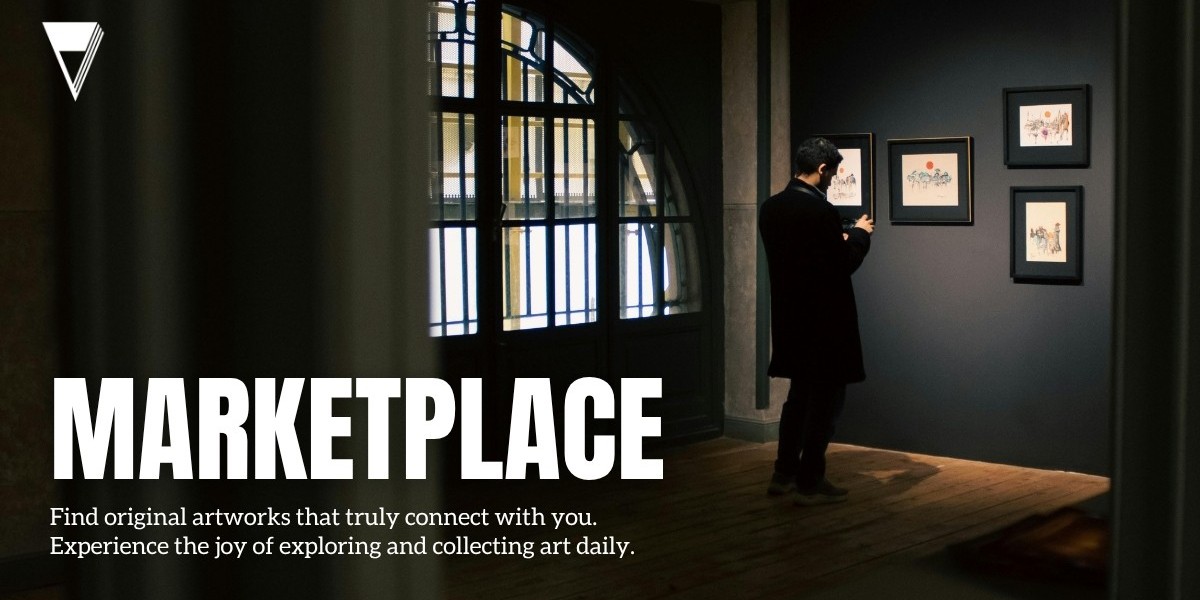

The Art MarketPlace: Live with Original Art in a Mass-Produced World
The traditional configuration of the art gallery as a white cube is being transformed in a radical manner. The physical gallery served as a strong gatekeeper for generations, determining who sees art, who can purchase it, and who would get a seat at the table of the cultural conversation. The collector of fine art had to visit a discreet location, a sometimes intimidating setting, and a largely centralized network of art dealers in order to acquire a work of art.
In today's day and age, the democratisation of the art world is taking place online, with the art marketplaces taking the geographical and cultural obstacles out of the picture. This change is not one of convenience alone, but one of a restructuring of the ways in which human beings relate to visual culture. If you can collect creators from more than a hundred countries, collecting becomes a global, cross-cultural conversation.
Mindfulness Through Original Art
The psychology of having original works of art is the first step in understanding the rapid growth of digital art transactions and the online art marketplaces. A time of mass production—where every item is produced with the highest efficiency—is making it easier than ever to find other copies of our domestic and work objects. We share identical chairs, have desks that are all made to the same standard, and decorate blank wall space with millions of the same prints from the corner store.
The typical mass-produced décor brings out a feeling of disconnection in the subconscious mind. But if you're looking at a painting, a hand-carved sculpture, or a limited edition photograph, it is a product of human labor and intent. Each visible brushstroke, texture, and structural asymmetry is a physical record of an artist's time, emotion, and technical discipline.
Aesthetic studies of the brain indicate that when people look at original art, they are much more likely to activate their brain's ventral striatum, which is linked to pleasure and reward, than when they view a digital image or a generic print. Original art adds texture, depth, and surprise to a room. It is dynamic, not static, and changes throughout the day with the different natural light. The collector who acquires an original piece is not only adding an asset of value to their collection, but he or she is also adding an active, intellectually and emotionally engaged person to their daily world.
Breaking the Localized Border
Geography has been the biggest drawback of the classic gallery system. Now, digital art selling websites remove that barrier.
In the past, if an unusually gifted painter was engaged in his creative work out of a 'home office' located in Southeast Asia, Eastern Europe, or South America, the likelihood of him being discovered by a collector in North America or Western Europe was virtually zero. These were constrained by the economic constraints of their own local markets.
These boundaries have been swept away by digital or online art marketplaces, creating a decentralized system in which the value of art is no longer determined by geographical chance. TERAVARNA, a digital platform that connects new talent from over 123 countries, changes the face of music styles that a digital platform can deliver.
Gatherers are not limited to the prevailing fashions of the closest metropolitan area. Rather, they may look at how an artist works with texture in Nairobi, an artist working in the style of printmaking in Tokyo, or an abstract expressionist in Los Angeles. This radical connectivity adds a new dimension to private collections and offers all creators worldwide the ultimate economic footing, enabling them to live in their home communities while establishing viable careers abroad.
Explore the world of digital fine art
The transition of fine art sales to the digital world calls for the challenge to move from access to trust and verification. When buying art online from an art marketplace, one must be confident in the authenticity of the art, the safe way to pay, and that fragile items can't be destroyed during international travel.
Today, such fears are addressed by modern platforms, which serve as institutional intermediaries, managing a very disorganized global industry. This is a structured way to connect raw passion for creation and transactional security. Platforms such as the Art Marketplace by TERAVARNA provide an accurate depiction of how the modern digital gallery works for those who want to participate in this growing ecosystem.
Unlike a free-for-all unsupervised space, the art selling websites are a highly curated online space for art collectors, interior designers, and first-time buyers around the world. The digital realm offers the opportunity to experience front-line contemporary art day and night, without the sense of intimidation that accompanies wandering from gallery to gallery.
Online art marketplaces include state-of-the-art augmented and virtual reality viewing tools to fill the physical space. These features enable a collector to "place" an original canvas or mixed-media piece on his own wall to consider scale, color play, spatial relationship, and to begin the transaction.
Structurally, the site features a wide range of portfolio offerings from emerging to established contemporary artists, from high-end oil paintings to acrylics, from fine art photography to 3-D installations. Encrypted payment gateways that facilitate international transactions, such as PayPal, are backed by secure digital wallets for peace of mind for both the creator and investor.
The Shift in Cultural Ownership
The emergence of a new generation of the art marketplace is indicative of a macro trend that has occurred in society's valuation and distribution of human creativity—transforming art acquisition into a participatory vote for cultural conservation and fair remuneration.
In an open marketplace, the natural outcome is that creators from all over the world are now able to build a long-term relationship with a global audience. It lets the results of the manual skill, authentic human intention, and years of study in the studio go back where they belong - into the hands that hold the brush or chiseled the stone.
Demand for real human artefacts grows as we enter a technological world where digital images are more and more automated, low-cost, and ephemeral. Being a part of a global online art marketplace isn't just a contemporary retail experience; it's a deliberate involvement in the ever-expanding evolution of human expression, which transcends borders.