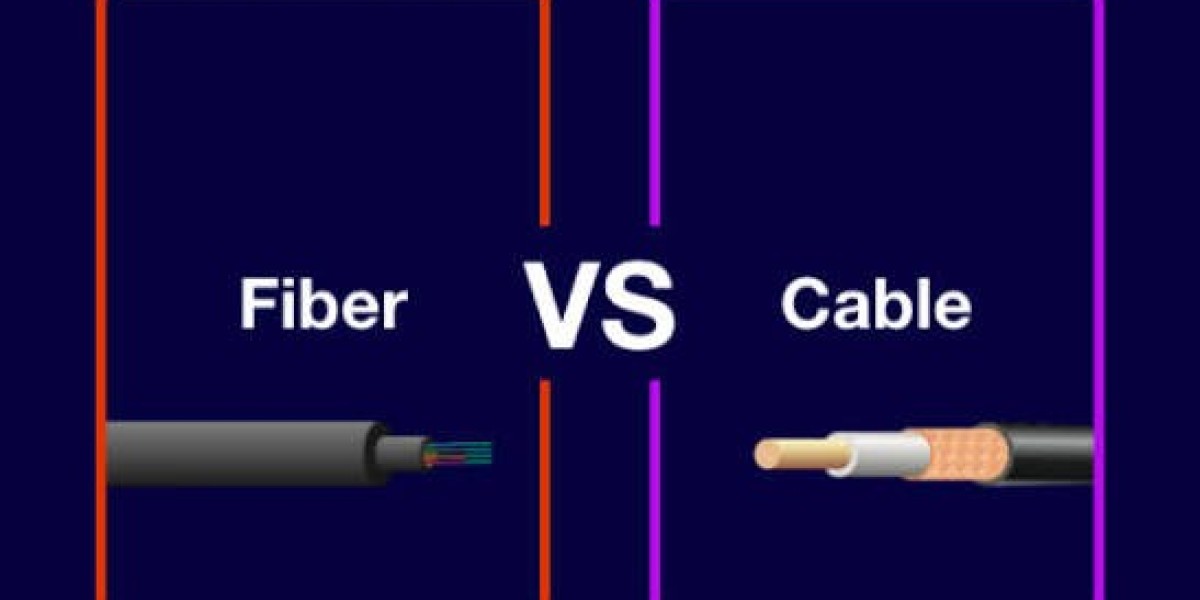

Choosing the right internet connection is essential for streaming, gaming, working from home, and staying connected with family and friends. When comparing Fiber vs Cable Internet: Which Is Better for Your Home?, the answer depends on your household's internet usage, budget, and availability. Both technologies offer reliable high-speed internet, but they differ in performance, speed, and overall user experience.
What Is Fiber Internet?
Fiber internet uses fiber-optic cables that transmit data through pulses of light. This advanced technology delivers ultra-fast internet speeds with minimal latency and exceptional reliability. Fiber connections are designed to handle multiple devices simultaneously, making them ideal for modern households with heavy internet usage.
One of the biggest advantages of fiber internet is its symmetrical upload and download speeds. Whether you're uploading large files, attending video meetings, or streaming 4K content, fiber provides a seamless online experience.
What Is Cable Internet?
Cable internet operates through the same coaxial cables used for cable television services. It is widely available across the United States and offers fast download speeds suitable for everyday online activities such as web browsing, video streaming, social media, and online shopping.
While cable internet performs well for most households, upload speeds are generally slower than download speeds. During peak usage hours, internet performance may also decrease because bandwidth is shared among nearby users.
Fiber vs Cable Internet: Key Differences
Speed
Fiber internet consistently delivers faster speeds than cable internet. Many fiber providers offer gigabit plans with equal upload and download speeds, while cable internet typically prioritizes download performance over uploads.
Reliability
Fiber connections are less affected by weather conditions, electrical interference, and network congestion. Cable internet remains dependable but may experience slower speeds during busy evening hours.
Latency
Low latency is essential for online gaming, video conferencing, and real-time communication. Fiber internet provides significantly lower latency, resulting in smoother and more responsive connections.
Availability
Cable internet has broader coverage, especially in suburban and rural areas. Fiber networks continue expanding but are not yet available in every neighborhood.
Cost
Cable internet plans often have lower introductory prices, making them attractive for budget-conscious users. Fiber plans may cost slightly more, but the improved speed, reliability, and long-term value often justify the investment.
Which Internet Option Is Best for Your Home?
If your household includes remote workers, gamers, content creators, or multiple people streaming simultaneously, fiber internet is usually the better choice. Its superior speed, stable connection, and faster uploads provide a premium internet experience.
However, if fiber service is unavailable in your area or your internet needs are relatively basic, cable internet remains an excellent option. It offers dependable performance for browsing, streaming, online learning, and everyday home use.
Final Thoughts
When deciding Fiber vs Cable Internet: Which Is Better for Your Home?, consider your internet habits, the number of connected devices, and the services available in your location. Fiber internet leads in speed, reliability, and future-ready performance, while cable internet continues to offer excellent value and widespread accessibility for many households.
For expert guidance on choosing the best internet provider and plan for your home, visit us at Internet Service USA. Our team is committed to helping you compare internet options and find a reliable connection that fits your needs and budget.