
Winter storms are among the most misunderstood weather events. Every year, millions of people prepare for snow, ice, freezing temperatures, and dangerous winds while relying on advice passed down through generations. Some winter tips are helpful, but many popular beliefs are incomplete, outdated, or completely false. These myths can create a false sense of security and may lead people to make unsafe decisions during severe weather.
Understanding the science behind winter conditions is one of the best ways to stay safe. Snow, ice, freezing temperatures, and storms involve complex interactions between the atmosphere, the ground, water, and human physiology. What sounds logical is not always what happens in nature.
From believing that four-wheel drive makes winter roads easy to assuming that extremely cold air cannot produce snow, these misconceptions continue to spread. By separating facts from fiction, people can make smarter decisions when winter weather arrives.
Myth: Four-Wheel Drive Means You Can Drive Normally in Snow
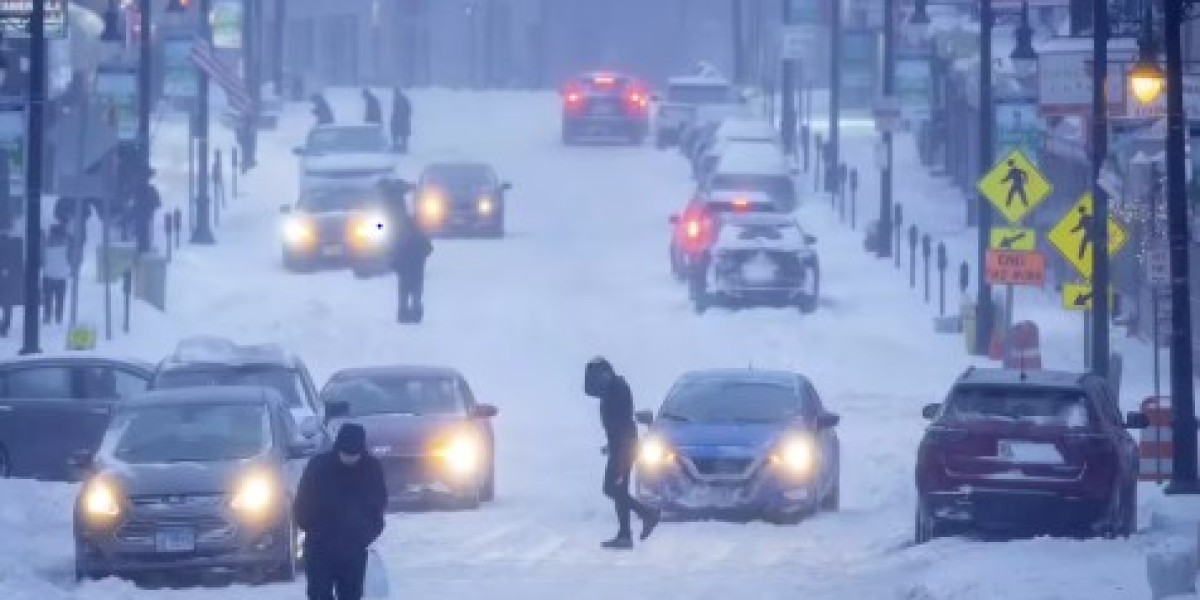
One of the most common winter driving myths is that owning a four-wheel-drive or all-wheel-drive vehicle means you can drive the same way you do on dry roads. While these systems provide important advantages, they do not eliminate the dangers of snow and ice.
Four-wheel drive works by sending power to multiple wheels instead of only two. This can improve traction when accelerating because more tires are helping move the vehicle forward. For example, a vehicle with four-wheel drive may be less likely to get stuck when climbing a snowy hill compared with a two-wheel-drive vehicle.
However, four-wheel drive does not improve the vehicle’s ability to stop on slippery surfaces. Braking depends mostly on the tires’ contact with the road, tire condition, road surface, speed, and driver reaction time. If a road is covered with ice, even a powerful four-wheel-drive truck has the same basic problem as any other vehicle: there is limited friction between rubber and frozen pavement.
Another misunderstanding involves turning. A four-wheel-drive vehicle may accelerate better, but it can still slide while making a sharp turn on snow or ice. The laws of physics apply to every vehicle. Momentum continues to push a moving vehicle forward, and tires can lose grip when drivers travel too fast for conditions.
Winter tires often provide more safety benefits than many drivers realize. They are designed with rubber compounds that remain flexible at low temperatures and have tread patterns that improve grip on snow and ice. All-season tires can become harder in freezing weather, reducing traction.
The safest winter driving approach is to reduce speed, increase following distance, avoid sudden movements, and understand that no vehicle technology can overcome dangerous road conditions.
Myth: You Should Leave Faucets Dripping at Full Stream During Freezing Weather
Many homeowners know that dripping faucets can help prevent frozen pipes, but the advice is often misunderstood. Some people believe that leaving faucets running at full stream is the best way to protect plumbing during a freeze. In most situations, this wastes water and is unnecessary.
The science behind dripping faucets is related to pressure and water movement. When temperatures drop below freezing, water inside pipes can freeze and expand. Because water expands when it becomes ice, the pressure inside a closed pipe can increase dramatically. This pressure buildup can eventually cause pipes to crack or burst.
A small, steady drip can reduce the risk because moving water is less likely to freeze completely, and the pressure has an easier escape route. However, opening a faucet fully is usually not required. A slow drip or small trickle is generally enough when conditions call for this precaution.
The location of pipes matters greatly. Pipes inside heated areas of a home are usually protected, while pipes located in unheated basements, crawl spaces, garages, or exterior walls face greater risks. Proper insulation is often more effective than wasting large amounts of water.
During severe cold events, homeowners should focus on insulating exposed pipes, sealing drafts near plumbing areas, keeping indoor temperatures consistent, and allowing warm air to reach vulnerable areas.
People should also pay attention to weather alerts because sudden temperature drops can create unexpected hazards. During major cold events, it is important to check winter storm warning updates so you understand whether dangerous freezing conditions are expected in your area.
Myth: Alcohol Warms You Up During Cold Weather
The belief that alcohol keeps people warm during winter is one of the most dangerous cold-weather myths. While drinking alcohol may create a temporary sensation of warmth, it actually increases the risk of losing body heat.
Alcohol affects the body’s temperature regulation system. When someone drinks alcohol, blood vessels near the skin can expand in a process called vasodilation. More warm blood moves closer to the skin, creating a feeling of warmth. The face may become flushed, and a person may believe they are getting warmer.
However, this process causes heat to leave the body more quickly. The body’s core temperature can drop because warm blood is being moved away from vital internal organs. Alcohol also affects judgment and coordination, making it harder for someone to recognize dangerous cold exposure or make safe decisions.
Hypothermia occurs when the body loses heat faster than it can produce it. Symptoms may include intense shivering, confusion, fatigue, slow reactions, and eventually loss of consciousness. Alcohol consumption can make these warning signs harder to notice.
A person outside in freezing temperatures who feels warm after drinking may actually be at greater risk. The sensation of warmth does not mean the body is maintaining a safe temperature.
The best protection against cold is proper clothing, shelter, dry layers, and limiting exposure time. Warm beverages without alcohol, such as hot water, tea, or soup, can provide comfort without interfering with the body’s natural defenses.
Myth: You Cannot Get Sunburned in Winter
Many people associate sunburn only with hot summer days, but ultraviolet radiation from the sun exists throughout the year. Winter conditions can actually create situations where sun exposure becomes surprisingly intense.
Snow reflects sunlight, including ultraviolet rays. Fresh snow can reflect a significant amount of UV radiation back toward a person’s face and eyes. This reflection means someone skiing, hiking, or working outdoors may receive UV exposure from both direct sunlight above and reflected light from the ground.
Cold temperatures can make people less aware of sun damage because the skin does not feel hot. A person may spend hours outdoors in freezing conditions without realizing their skin is being exposed to harmful radiation.
Altitude also increases the risk. Mountain environments often have thinner atmospheres that filter less UV radiation. This is why people participating in winter sports at high elevations can experience serious sunburns even when surrounded by snow and cold air.
Clouds do not completely eliminate UV exposure either. Some ultraviolet rays can pass through cloudy skies, meaning protection is still important on overcast winter days.
Sunscreen, protective clothing, sunglasses, and lip protection are useful year-round, especially during outdoor winter activities. Preventing sun damage is not only a summer concern.
Myth: If It Is Too Cold, It Cannot Snow
A common misconception is that extremely cold temperatures prevent snowfall. Many people assume that if the air is freezing enough, snow cannot form. The truth is more complicated.
Snow requires moisture and the right atmospheric conditions, not a specific temperature range. Snowflakes form when water vapor freezes into ice crystals inside clouds. If moisture is available and the atmosphere supports cloud formation, snow can occur even when temperatures are extremely low.
However, there is some truth behind the myth. Extremely cold air is often very dry because cold air holds less moisture than warm air. This means some very cold regions may experience fewer snowstorms because there is not enough water vapor available to create significant snowfall.
Temperature also affects snow quality. When temperatures are near freezing, snowflakes often contain more moisture and can become heavy and wet. When temperatures are much colder, snow tends to be lighter and powdery because there is less liquid water surrounding the ice crystals.
Some of the world’s coldest locations receive snowfall, proving that extreme cold does not automatically prevent snow. The key factors are moisture availability, atmospheric movement, and cloud conditions.
Weather systems bring together different ingredients, and temperature is only one part of the equation.
Myth: Winter Storms Only Happen in Northern Regions
Another widespread misunderstanding is that winter storms are only a northern problem. While colder northern areas often experience more frequent snow and ice events, winter storms can affect many regions that are not traditionally considered cold climates.
Winter storms occur when atmospheric conditions allow freezing temperatures, moisture, and storm systems to interact. A location does not need to have constant winter weather to experience a dangerous storm.
Southern regions can experience major winter events because their infrastructure and communities may be less prepared for freezing conditions. A small amount of ice can create serious problems when roads, power systems, and buildings are not designed for regular winter weather.
Ice storms are especially dangerous because they can occur in areas that rarely see snow. Freezing rain happens when rain falls through a warm layer of air and then freezes when it contacts cold surfaces. The result can be a layer of ice on roads, trees, and power lines.
Even areas with mild winters can experience sudden temperature drops, dangerous wind chills, and hazardous conditions. Climate patterns can shift, allowing winter storms to travel farther south or affect places that are not usually associated with heavy winter weather.
Preparation matters more than location. People should understand their local risks, keep emergency supplies available, and pay attention to official forecasts whenever severe weather threatens.
Myth: Snow Is Always Safe Because It Is Just Frozen Water
Snow may look harmless, but winter storms create many hidden dangers. Heavy snowfall can reduce visibility, increase accident risks, overload structures, and create dangerous travel conditions.
Wet snow is particularly heavy because it contains more water. Large accumulations can place stress on roofs, trees, and power lines. Snow combined with strong winds can create drifting, blocked roads, and blizzard conditions.
Ice is another major hazard because it can be difficult to see. A thin layer of ice, sometimes called black ice, may appear as a normal road surface while providing almost no traction.
Winter weather also affects electricity, communication systems, and emergency services. Power outages during extreme cold can become dangerous if homes lose heating for extended periods.
Understanding these risks helps people prepare rather than react after problems occur.
The Importance of Replacing Winter Myths With Science
Winter storms are powerful natural events, and misinformation can make them more dangerous. Many common beliefs come from partial truths that have been exaggerated over time. Four-wheel drive helps but does not defeat ice. A dripping faucet may help, but a full stream is unnecessary. Alcohol creates warmth sensations but increases heat loss. Snow does not block sunlight from causing damage. Extremely cold air can still produce snow. Winter storms can happen far beyond traditionally snowy regions.
Science-based preparation allows people to respond appropriately when temperatures fall and storms develop. Knowing the facts behind winter weather myths can protect homes, vehicles, health, and communities.
The best winter safety strategy is a combination of reliable information, proper preparation, and respect for the power of nature. When people understand how winter conditions actually work, they are better equipped to handle whatever the season brings