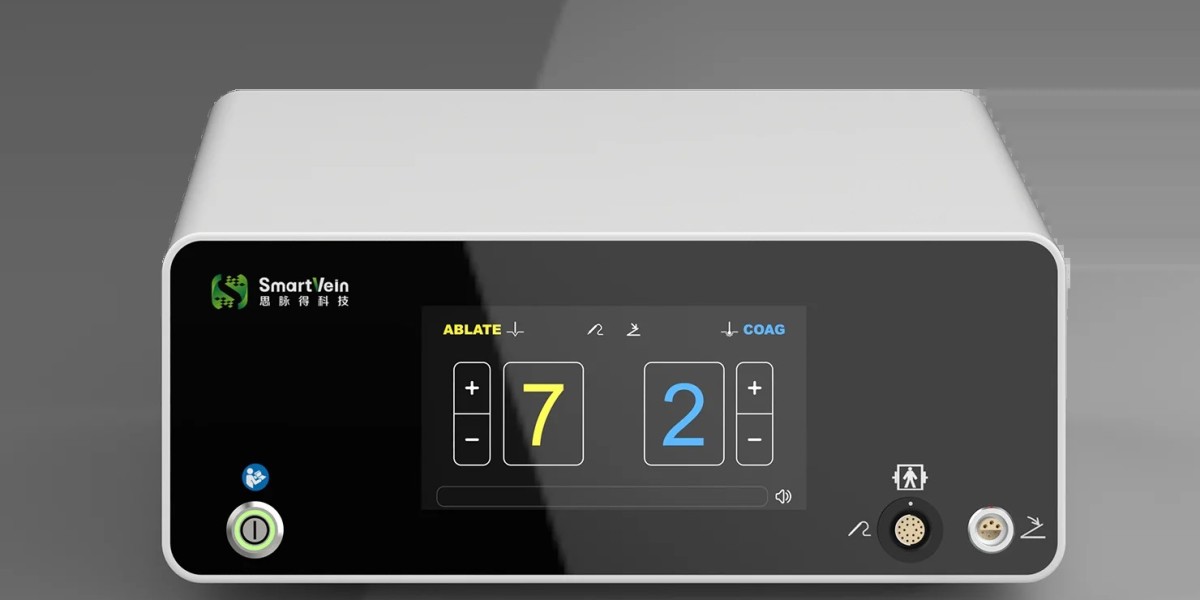

Modern plasma surgery systems are widely used because they provide precise tissue cutting and coagulation while minimizing bleeding. However, every plasma surgical procedure generates surgical smoke that contains airborne particles, harmful chemicals, and potentially infectious biological contaminants. Without an effective smoke evacuation system, these pollutants may expose surgeons, nurses, and operating room personnel to unnecessary health risks.
A properly maintained smoke evacuation system is therefore just as important as the plasma surgical device itself. Regular cleaning not only preserves suction performance but also maintains filtration efficiency, extends equipment lifespan, and supports infection control.
This guide outlines practical maintenance recommendations, cleaning schedules, and quality control measures that healthcare facilities can use to keep plasma surgery smoke evacuation systems operating at peak performance.
Why Regular Smoke Evacuation System Maintenance Is Essential
During plasma surgery, surgical smoke may contain:
- Viral particles and bacterial fragments
- Toxic gases such as acrolein and benzene derivatives
- Fine particulate matter
- Thermal decomposition by-products
- Tissue debris and carbonized particles
If these contaminants accumulate inside the evacuation system, they can reduce suction efficiency, overload the fan, clog filters, and even increase the risk of secondary contamination.
An effective maintenance program should focus on three primary objectives:
- Prevent filter blockage
- Maintain stable negative pressure
- Preserve high filtration efficiency
Understanding the Main Components of a Smoke Evacuation System
A typical plasma surgery smoke evacuation system includes several key components working together:
- Smoke capture hood or suction nozzle
- Primary pre-filter
- HEPA or ULPA high-efficiency filter
- Activated carbon or chemical adsorption filter
- Vacuum fan
- Air exhaust duct
Each component requires different maintenance procedures because contamination occurs in different ways.
Common contamination points include:
Primary Filter
Large particles, carbonized tissue, and surgical debris gradually clog the filter, reducing airflow.
Air Ducts
Grease, moisture, and biological contaminants may accumulate along the inner wall of the ductwork, eventually forming biofilms that restrict airflow.
Vacuum Fan
Dust deposited on the fan blades decreases rotational efficiency and affects the system's ability to maintain proper negative pressure.
Recommended Cleaning Schedule
Cleaning frequency should be determined according to surgical volume, procedure type, and equipment usage.
1. Daily Cleaning (After Every Procedure or Before Daily Operation)
Daily maintenance focuses on removing visible contaminants and ensuring immediate operational readiness.
Recommended tasks include:
- Wipe the smoke capture hood with a neutral cleaning solution.
- Remove blood residue and tissue debris.
- Confirm that the suction opening remains unobstructed.
- Vacuum dust from the primary filter compartment.
- Clean the external exhaust grille to eliminate dust buildup.
Routine daily cleaning helps maintain consistent airflow throughout the day.
2. Weekly Maintenance
Facilities performing frequent plasma procedures should carry out more comprehensive cleaning at least once each week or after several consecutive high-smoke operations.
Weekly maintenance typically includes:
Cleaning the Primary Filter
Reusable filters should be soaked in a medical enzymatic cleaner before gentle brushing and rinsing.
Disposable filters should be replaced whenever contamination becomes significant.
The filter frame and sealing gasket should also be inspected for damage.
Inspecting Air Ducts
Visible sections of ductwork should be examined for grease accumulation.
Compressed air can be used to remove loose particles while ensuring airflow remains unrestricted.
Fan Cleaning
Dust should be carefully removed from the fan blades using a vacuum cleaner.
A clean fan maintains stable suction while reducing operating noise.
3. Monthly Maintenance
Monthly inspections focus on deeper cleaning and verification of filtration performance.
HEPA Filter Inspection
Unlike reusable filters, HEPA filters should never be washed with water.
Instead, technicians should:
- Inspect the filter for physical damage
- Verify filtration efficiency using a particle counter
- Replace filters showing deformation or reduced efficiency
Maintaining high filtration performance is essential for protecting operating room personnel.
Activated Carbon Filter Maintenance
Activated carbon filters gradually lose adsorption capacity.
Maintenance personnel should inspect for odor breakthrough and replace saturated filters according to the manufacturer's recommendations.
Deep Pipeline Cleaning
Dedicated pipeline cleaning brushes combined with approved alkaline cleaning solutions help remove internal residue and biofilm.
Following cleaning, the system should be thoroughly rinsed to eliminate cleaning solution residue.
4. Quarterly or Annual Preventive Maintenance
Comprehensive system maintenance should be performed together with routine equipment servicing.
Key inspection items include:
Vacuum Fan Performance
Measure fan speed and confirm stable negative pressure throughout the system.
Leak Testing
Inspect pipe joints and filter housing seals to ensure airtight performance.
Control System Verification
Automatic smoke detection and fan activation functions should be tested to confirm rapid response and stable airflow.
Best Practices During Cleaning
Before beginning maintenance, always:
- Disconnect the equipment from the power supply.
- Display appropriate maintenance warning signs.
- Wait until all moving components have completely stopped.
- Wear suitable personal protective equipment, including gloves, protective eyewear, and respiratory protection.
Accessories such as smoke evacuation pencils or suction probes should be cleaned separately according to hospital sterilization procedures.
Important Filter Replacement Considerations
Some procedures generate significantly more hazardous smoke than routine surgery.
Examples include:
- Tumor ablation
- Infected tissue removal
- High-volume electrosurgical procedures
Following these procedures, the condition of the HEPA filter should be evaluated even if the scheduled replacement interval has not yet been reached.
Whenever a filter is replaced, technicians should also inspect and clean the sealing surfaces to ensure airtight installation.
Precautions When Cleaning Air Ducts
To avoid damaging the system:
- Do not use highly corrosive chemicals.
- Avoid chlorine-based cleaners unless specifically approved.
- Do not force rigid brushes through flexible ducts.
- Prevent scratches or deformation inside the pipeline.
Proper cleaning preserves both airflow performance and equipment longevity.
Verifying Cleaning Effectiveness
Cleaning should always be followed by performance verification.
Common evaluation methods include:
Smoke Capture Performance
Test smoke introduced near the suction inlet should be completely removed within a few seconds.
Filter Efficiency Testing
Periodic particle counting verifies that HEPA filters continue meeting required filtration standards.
Noise Monitoring
Excessive operating noise often indicates fan contamination or mechanical wear.
Maintenance Documentation Matters
Hospitals and medical facilities should maintain detailed maintenance records including:
- Cleaning dates
- Personnel performing maintenance
- Components serviced
- Filter replacement information
- Performance test results
- Corrective actions taken
Accurate documentation supports regulatory compliance, equipment traceability, and long-term preventive maintenance planning.
Adjusting Maintenance for High-Workload Environments
Facilities performing a large number of plasma surgeries each week may need more frequent maintenance.
Examples include:
- Increasing weekly inspections during periods of heavy surgical volume
- Shortening HEPA filter replacement intervals
- Performing additional pipeline disinfection after procedures involving infectious diseases
- Implementing enhanced maintenance during epidemic control periods
Maintenance schedules should remain flexible and reflect actual equipment usage rather than relying solely on fixed calendar intervals.
Final Thoughts
A plasma surgery smoke evacuation system plays a critical role in protecting healthcare professionals from airborne surgical contaminants. However, even the most advanced filtration technology can only perform effectively when supported by regular inspection and preventive maintenance.
By establishing a structured cleaning program—including daily care, scheduled filter maintenance, pipeline cleaning, and routine performance verification—medical facilities can maintain strong suction performance, maximize filtration efficiency, extend equipment service life, and create a safer operating room environment.
Rather than viewing maintenance as an occasional task, hospitals should incorporate it into their routine infection control and equipment management strategies. Consistent care not only improves system reliability but also contributes to safer surgical practices for both healthcare professionals and patients.