
As electrical systems become more intelligent and interconnected, accurate current measurement has become increasingly important. Whether in power distribution networks, industrial automation, renewable energy projects, or commercial facilities, reliable current data is essential for equipment protection, energy monitoring, and system efficiency.
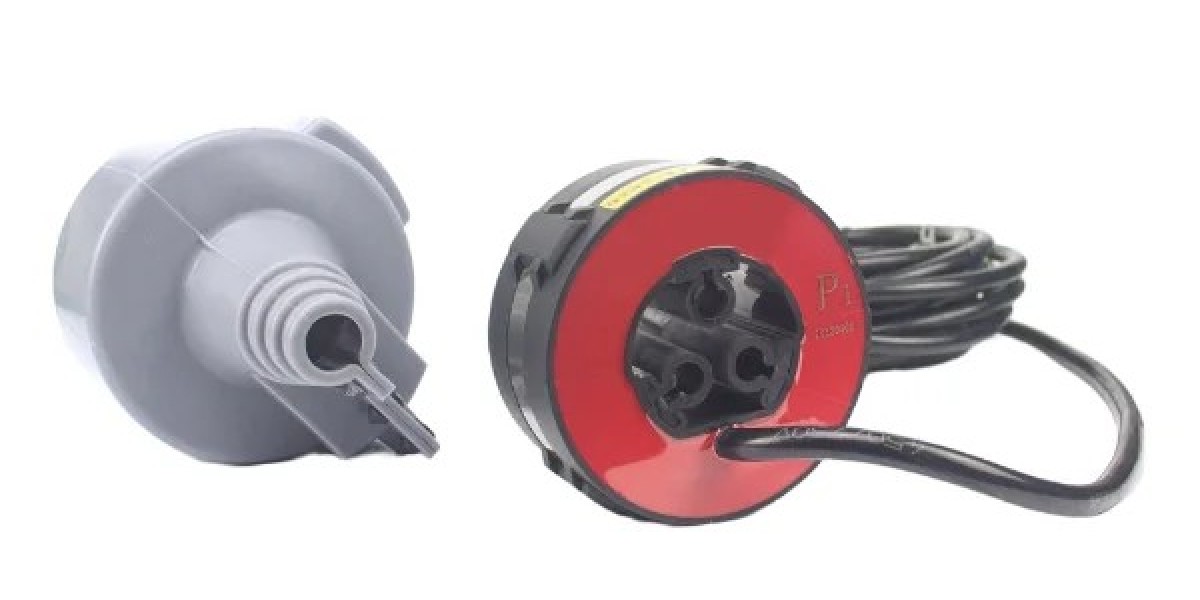
At the heart of these measurement systems is the current transformer (CT)—a key electrical component that safely converts high current into standardized values suitable for meters, monitoring devices, and protective relays.
However, the performance of a current transformer depends not only on its design but also on the expertise of the manufacturer behind it. Choosing the right current transformer manufacturer can significantly influence system accuracy, reliability, and long-term operating costs.
Why Current Transformers Are So Important
A current transformer is an instrument transformer designed to reduce high primary current to a safe and measurable secondary current, typically 1A or 5A. This allows electrical measuring instruments and protection devices to operate safely without being directly exposed to high-current circuits.
Current transformers are widely used for several essential purposes:
- Accurate electrical energy metering
- Protective relay operation
- Power system monitoring
- Equipment overload detection
- Electrical isolation between high-voltage circuits and measuring instruments
Without accurate current transformation, power systems may experience incorrect measurements, unreliable protection, and inefficient energy management.
What Makes a High-Quality Current Transformer Manufacturer?
Not every manufacturer delivers the same level of engineering capability. For industrial and utility applications, several technical factors should be carefully evaluated before selecting a supplier.
1. Measurement Accuracy
Accuracy is one of the most critical performance indicators for any current transformer.
Reliable manufacturers focus on:
- Precise winding processes
- Strict dimensional control
- Stable calibration procedures
- Consistent production quality
High-quality CTs maintain measurement accuracy across different load conditions while complying with international standards such as IEC 61869.
Accurate measurements help improve billing precision, equipment monitoring, and protection system reliability.
2. High-Performance Magnetic Core Materials
The magnetic core largely determines the operating characteristics of a current transformer.
Its quality directly affects:
- Linearity
- Measurement stability
- Core saturation
- Energy loss
Professional current transformer manufacturers often use premium materials such as high-grade silicon steel or nanocrystalline alloys to improve magnetic performance while minimizing hysteresis and core losses.
The result is higher measurement accuracy throughout the transformer's operating range.
3. Thermal Stability and Reliable Insulation
Electrical equipment frequently operates under changing environmental conditions and fluctuating electrical loads.
A dependable current transformer should provide:
- Excellent temperature resistance
- Reliable insulation performance
- Stable operation during overload conditions
- Long service life with minimal maintenance
Proper insulation design also improves operational safety by reducing the risk of electrical breakdown over time.
4. Flexible Product Customization
Different electrical systems require different transformer configurations.
Depending on the application, users may require:
- Ring-type current transformers
- Split-core current transformers
- Indoor installations
- Outdoor installations
- Low-voltage systems
- Medium- or high-voltage applications
Experienced manufacturers understand that each project has unique technical requirements and can provide customized solutions rather than standard products alone.
Where Current Transformers Are Used
The versatility of current transformers makes them essential across numerous industries.
Power Distribution Networks
Utilities rely on CTs for current measurement, feeder monitoring, relay protection, and fault detection within substations and distribution systems.
Industrial Automation
Manufacturing facilities continuously monitor electrical loads to protect motors, production equipment, and automation systems from overload conditions.
Current transformers provide reliable real-time current information for these applications.
Renewable Energy Projects
Solar power plants and wind farms use current transformers for:
- Energy metering
- Inverter monitoring
- Grid synchronization
- Protection systems
As renewable energy installations continue to expand, demand for high-precision CTs continues to grow.
Smart Grid and Energy Management
Modern smart grids depend on accurate electrical data to optimize energy consumption and improve system efficiency.
Current transformers provide the measurement foundation for advanced monitoring, intelligent control, and predictive maintenance systems.
Common Challenges When Selecting a Manufacturer
Procurement teams often encounter several difficulties during supplier selection.
Some of the most common issues include:
- Inconsistent product quality between production batches
- Limited engineering support
- Insufficient testing documentation
- Products that fail to meet international standards
- Poor long-term reliability
Choosing a manufacturer based solely on price may result in increased maintenance costs and reduced system performance over the equipment's lifetime.
Instead, buyers should evaluate manufacturers based on technical expertise, production capability, quality management, and industry experience.
Tianrui's Manufacturing Philosophy
As a manufacturer specializing in current transformers and electrical measurement products, Tianrui emphasizes precision engineering, manufacturing consistency, and practical application performance.
Rather than focusing only on technical specifications, Tianrui prioritizes every stage of the production process, including material selection, precision manufacturing, quality inspection, and product testing.
Key strengths include:
- Strict quality control procedures
- Stable sourcing of high-quality magnetic materials
- Optimized transformer design for real operating environments
- Reliable production consistency
- Technical support for product selection and application matching
This practical approach helps ensure that every transformer performs reliably in power distribution, industrial automation, renewable energy, and electrical monitoring applications.
Why Technical Support Matters
Selecting the correct current transformer involves much more than matching current ratios.
Factors such as:
- Rated burden
- Accuracy class
- Installation environment
- System voltage
- Protection requirements
- Measurement objectives
must all be considered.
Manufacturers with experienced engineering teams can provide valuable guidance throughout product selection, helping customers choose solutions that best fit their specific applications while avoiding unnecessary costs.
Final Thoughts
Current transformers are fundamental components in modern electrical infrastructure, supporting accurate measurement, equipment protection, and efficient energy management across countless industries.
When selecting a current transformer manufacturer, buyers should look beyond basic specifications and carefully evaluate manufacturing quality, material selection, accuracy control, customization capabilities, and technical support.
Manufacturers such as Tianrui demonstrate that consistent quality, application-oriented engineering, and dependable production processes are essential for delivering reliable current transformers that perform well in real-world operating environments.
For engineers, electrical contractors, system integrators, and procurement professionals, partnering with an experienced manufacturer is one of the most effective ways to improve system reliability, reduce maintenance risks, and ensure long-term performance.