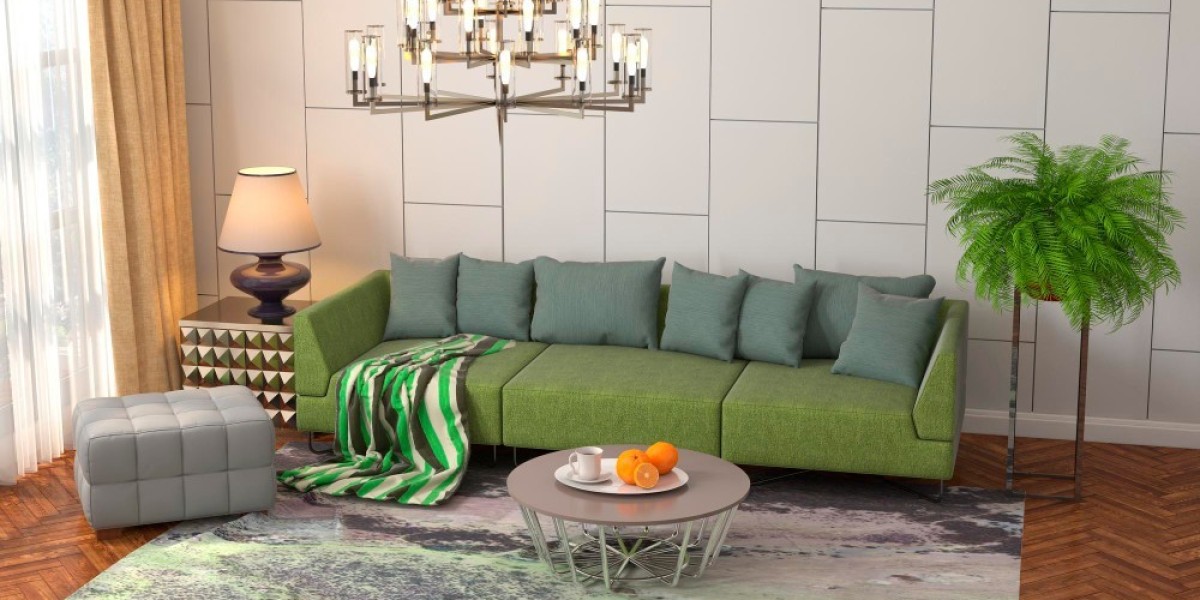

Hand knotted rugs are made by skilled artisans who tie individual knots by hand onto a loom—a process that can take months or even years. They're more durable and valuable than machine-made rugs, and they work well in every room, from living spaces to bedrooms. When buying rugs online in India, look for knot density, material, and size before placing an order.
Most rugs are forgotten the moment you walk over them. Hand knotted rugs are different. They hold the hours, skill, and tradition of the artisans who made them—and they get better with age.
This guide covers everything you need to know: what makes hand knotted rugs unique, how to choose the right one for each room, and where to buy rugs online in India without second-guessing your purchase.
What Makes a Hand Knotted Rug Different From Other Rugs?
A hand knotted rug is made by tying individual knots—one by one—onto vertical warp threads stretched across a loom. Each knot is cut, shaped, and secured by hand. A single square foot of a high-quality rug can contain anywhere from 100 to 1,000 knots, depending on the design.
The result? A rug that's dense, durable, and structurally superior to tufted or machine-made alternatives. It also holds its shape far longer. While a machine-made rug might last 5–10 years with regular use, a well-maintained hand knotted rug can last generations.
The materials matter too. Wool hand knotted rugs are soft, naturally stain-resistant, and well-suited to high-traffic areas. Silk rugs carry a finer weave and a subtle sheen, making them better suited to low-traffic spaces like bedrooms or studies.
The Craft Behind the Rug: Why Tradition Still Matters
India has one of the longest traditions of rug weaving in the world. Bhadohi, a town in Uttar Pradesh, is known as the carpet capital of Asia. Generations of weavers have worked here, passing down techniques that haven't changed much in centuries.
What has changed is the design. Modern handcrafted rugs in India blend traditional knotting methods with patterns that work in contemporary homes—clean geometrics, muted palettes, and abstract motifs that sit comfortably alongside modern furniture.
This mix of old technique and fresh design is what makes Indian hand knotted rugs particularly sought after, both domestically and internationally.
How to Choose a Hand Knotted Rug for Your Living Room
The living room is where most people spend the most time—and where a rug has the most visual impact. A few things to keep in mind:
Size: The rug should be large enough for all key furniture legs to sit on it. A common mistake is buying too small. For most living rooms, a 8x10 ft or 9x12 ft rug works well.
Knot density: Higher knot counts mean finer detail and greater durability. Look for rugs with at least 100 knots per square inch for a living room setting.
Color and pattern: If your furniture is neutral, a hand knotted rug with a stronger pattern can anchor the room. If your space is already busy, go for a solid or low-contrast design.
Material: Wool is the practical choice for living rooms. It handles foot traffic well and holds its color over years of use.
Choosing a Hand Knotted Rug for the Bedroom
Bedrooms call for comfort. When you step out of bed in the morning, the rug beneath your feet sets the tone for your day.
Silk or wool-silk blend rugs work well here. They're softer underfoot and add a quiet richness to the room without being overwhelming. In terms of placement, position the rug so that it extends at least 18–24 inches on either side of the bed. This gives the space a balanced, considered look.
For smaller bedrooms, a runner along one side of the bed can work just as well.
Hand Knotted Rugs in Dining Areas and High-Traffic Spaces
Dining rooms present a specific challenge: the rug needs to be large enough for chairs to remain on it even when pulled out. A good rule of thumb is to add at least 24 inches to the length and width of your dining table.
For high-traffic areas like hallways and entryways, go for a tighter knot count and a darker palette. These areas see more dirt and abrasion, so a denser weave in a forgiving color will hold up much better over time.
Wool rugs are ideal for these spaces. Avoid silk in dining areas—silk rugs are better suited to spaces with minimal foot traffic.
How to Buy Hand Knotted Rugs Online in India
Buying rugs online in India has become significantly easier, but there are still a few things to verify before placing an order:
Check the knot count and material: Reputable sellers will list these clearly. If they don't, ask.
Look at the reverse side: A hand knotted rug's back mirrors its front pattern. If the seller provides images of the underside, use them to verify authenticity.
Read the return policy: Rugs can look different on screen versus in person. A clear return or exchange policy matters.
Ask about customization: Many Indian rug brands offer bespoke sizing and color options. If you have a specific space, this is worth exploring.
Verify the source: Brands rooted in traditional weaving hubs like Bhadohi are generally more reliable than generic e-commerce listings.
The Ambiente: Handcrafted Rugs in India with 30+ Years Behind Them
The Ambiente is a design-led rug brand based in Bhadohi, with a flagship store in Sultanpur, New Delhi. Founded by Avani Khandelwal—an MBA graduate from MDI Gurgaon—the brand is backed by Bhadohi Carpets, a manufacturer and exporter with over 30 years of industry experience.
The brand works with more than 4,000 weavers, the majority of whom are women from local communities. This focus on sustainable livelihoods runs alongside a commitment to quality: every rug is hand knotted using traditional techniques, then refined through collaboration between artisans and an in-house design team.
The Ambiente has served over 5,000 clients across India and internationally, offering both ready-to-ship collections and bespoke options. Their catalog spans wool rugs, silk rugs, and wool-silk blends—each one suited to a different room, budget, and aesthetic.
For anyone looking to buy rugs online in India from a source with genuine craft credentials, The Ambiente is worth a close look.
How to Care for a Hand Knotted Rug
A hand knotted rug is an investment. Basic maintenance keeps it looking good for decades:
Vacuum regularly, but avoid using a beater bar attachment on the fringe. Vacuum in the direction of the pile.
Rotate the rug every 12–18 months to ensure even wear, especially in high-traffic areas.
Deal with spills immediately. Blot—don't rub—with a clean cloth. Use a mild soap solution for stains.
Professional cleaning every 2–3 years is recommended for wool and silk rugs. Avoid steam cleaning at home.
Use a rug pad underneath. This reduces slipping, protects the backing, and extends the life of the rug considerably.
Investing in a Rug That Lasts
A hand knotted rug is one of the few home purchases that actually appreciates in value over time. It's functional, beautiful, and—when made by skilled artisans—genuinely irreplaceable.
The key is buying with intention. Know your room dimensions, understand the materials, and choose a seller with transparent sourcing and clear product information. Brands like The Ambiente, rooted in India's handcrafted rug tradition, offer the right combination of quality, craftsmanship, and variety.
Whether you're furnishing a new home or replacing a worn-out floor covering, a hand knotted rug is a choice you won't need to revisit for years.
Frequently Asked Questions
What is a hand knotted rug, and how is it different from a hand tufted rug?
A hand knotted rug is made by tying individual knots onto a loom, one at a time—a process that takes months. A hand tufted rug is made by punching yarn through a fabric backing with a tool, which is faster but produces a less durable result. Hand knotted rugs last significantly longer and are generally more valuable.
How much should I expect to spend on a hand knotted rug in India?
Prices vary based on size, knot density, and material. Entry-level hand knotted wool rugs start around ₹8,000–₹15,000 for smaller sizes. Larger or silk rugs can range from ₹30,000 to several lakhs. Brands like The Ambiente offer a range across price points.
Is it safe to buy rugs online in India without seeing them in person?
Yes, if you buy from a reputable seller. Look for detailed product descriptions, multiple high-resolution images (including the reverse side), customer reviews, and a clear return policy. Many established Indian rug brands also offer swatches or virtual consultations.
What size hand knotted rug works best for a standard living room?
For most living rooms, an 8x10 ft or 9x12 ft rug is the right choice. All key furniture pieces—sofa, coffee table, accent chairs—should sit on or at the edge of the rug for a balanced look.
How do I know if a hand knotted rug is authentic?
Check the back of the rug. An authentic hand knotted rug will show a mirror image of the front pattern on its underside, with individually visible knots. Machine-made rugs have a uniform, flat backing with no visible knot work.