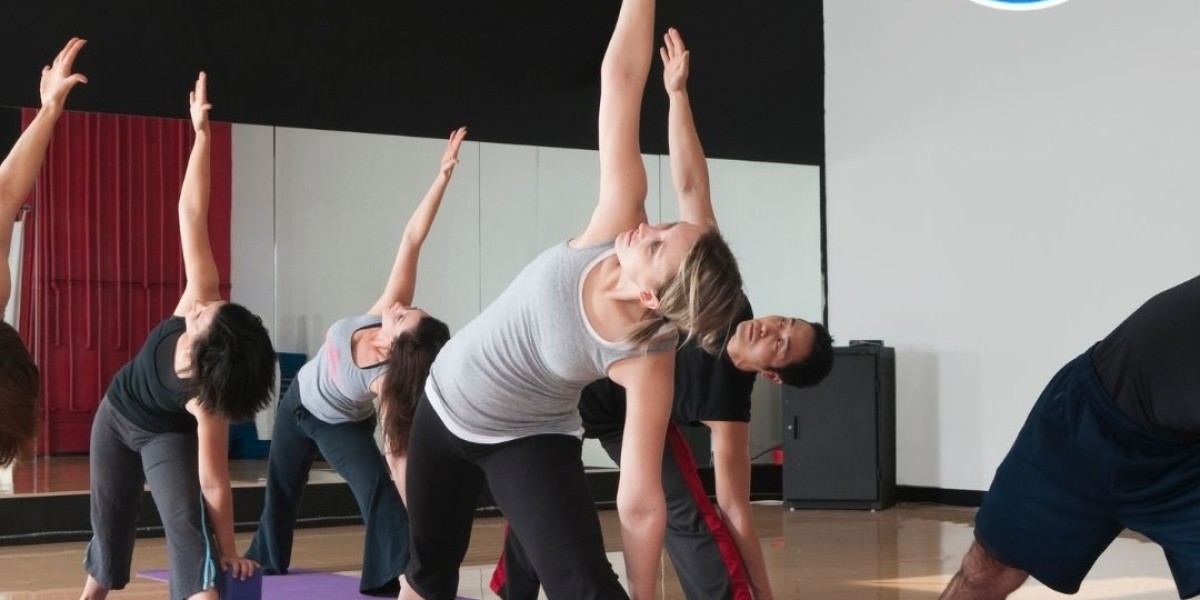

How Long Should a Yoga for Flexibility Session Be?
Yoga for flexibility does not need to be long to be useful. For most beginners, 15 to 30 minutes is enough to start, especially when the session is consistent and focused on tight areas such as the hips, hamstrings, shoulders, and lower back.
Longer sessions of 45 to 60 minutes may help when you want deeper practice, more warm-up time, and guided relaxation. The best session length depends on your goal, experience level, body condition, and how often you can repeat the practice.
The Practical Answer: Start With 15 to 30 Minutes
If you are new to yoga, a 15- to 30-minute session is a smart starting point. It gives your body time to warm up, move through key stretches, and finish without feeling overwhelmed.
Many people make the mistake of starting with a long routine, then quitting because it feels too hard to maintain. A shorter yoga routine that you can repeat three or four times a week is often more realistic than one long class you only do once.
Flexibility improves through steady practice, not one intense session. NCCIH notes that yoga may support general wellness and can include postures, breathing, and meditation, but results vary by person and practice style. (nccih.nih.gov)
Why Session Length Depends on Your Goal
Not every person needs the same session length. Someone who sits at a desk all day may need a quick hip and shoulder reset. Someone preparing for a deeper yoga class may need more time.
The right length depends on what you want your body to feel after practice: looser, calmer, stronger, or more mobile.
Your Goal | Suggested Session Length | Best Focus |
Quick daily reset | 10–15 minutes | Neck, shoulders, hips |
Beginner flexibility | 15–30 minutes | Basic stretches and gentle poses |
Full-body mobility | 30–45 minutes | Hips, spine, hamstrings, shoulders |
Deeper flexibility work | 45–60 minutes | Longer holds and slower pacing |
Recovery-focused practice | 20–40 minutes | Gentle poses, breath, relaxation |
What a Good Flexibility Session Should Include
A strong Yoga for flexibility session should not jump straight into deep stretches. The body usually responds better when you begin gently and build gradually.
A simple structure works well:
3–5 minutes of breathing and warm-up movement
10–20 minutes of focused flexibility poses
3–5 minutes of rest or slower breathing
This structure keeps the session clear and safe. It also makes the practice easier to repeat, which is where real progress often happens.
How Long Should You Hold Each Pose?
For flexibility, rushing through poses usually does not help much. Your body needs time to settle into each shape.
Harvard Health notes that healthy adults should do flexibility exercises such as stretching, yoga, or tai chi at least two to three times per week, and spending about 60 total seconds on each stretching exercise can be useful.
In a yoga class, that may mean holding a pose for 20 to 30 seconds and repeating it, or holding a comfortable version for a little longer.
The keyword is comfortable. You should feel a stretch, not sharp pain.
Best Session Length for Beginners
For beginners, 20 minutes is often the sweet spot. It is long enough to feel useful but short enough to avoid fatigue or frustration.
A beginner yoga routine should focus on simple poses, clear breathing, and easy transitions. You do not need advanced backbends, deep splits, or intense hip openers to improve flexibility.
Beginner-Friendly Poses to Include
Cat-Cow for the spine
Child’s Pose for the back and hips
Low Lunge for hip flexors
Seated Forward Fold for hamstrings
Reclined Figure Four for the hips
Supine Twist for the lower back
These poses can be modified with blocks, blankets, cushions, or a wall for support.
Is a Longer Session Better?
A longer session can be helpful, but only if your body is ready for it. A 60-minute class gives more time for warm-up, sequencing, breathwork, and rest.
However, longer does not always mean better. If you force deep stretches when your body is tired, you may create tension instead of release.
The best Yoga for flexibility practice is one you can do consistently without feeling drained afterward.
How Often Should You Practice?
For flexibility, frequency matters more than length. Practicing for 15 to 20 minutes several times a week can be more effective than a single long session.
A realistic plan may look like this:
Beginner: 15–20 minutes, 3 times per week
Intermediate: 30 minutes, 3–4 times per week
Deeper flexibility goal: 45 minutes, 2–3 times per week
Maintenance: 10–15 minutes most days
Your yoga routine should fit your real schedule. If it feels too complicated, you are less likely to continue.
When to Choose a Guided Class
At-home practice is useful, but a guided class can help you learn safer alignment and better modifications. This is especially helpful if you are new, very tight, or unsure which poses fit your body.
At Inlet Yoga in Manasquan, students can explore beginner-friendly yoga, gentle classes, restorative options, and flowing practices depending on their goals and comfort level. A studio class can also help you understand how long your body responds well to different styles.
The Bottom Line
A good Yoga for flexibility session can be as short as 15 minutes or as long as 60 minutes. The right length depends on your goal, experience, schedule, and how your body feels.
For most people, 15 to 30 minutes is the best place to begin. Build a simple yoga routine, practice consistently, and let flexibility improve step by step.
Author Bio:
A professional yoga expert and wellness educator with experience in mindful movement, flexibility training, breathwork, and accessible class guidance. They help students build safe, realistic yoga practices that support mobility, comfort, and everyday wellbeing.
Frequently Asked Questions
Is 10 minutes of yoga enough for flexibility?
Yes, 10 minutes can help if you practice consistently and focus on key tight areas. For deeper progress, 15 to 30 minutes may be more effective.
How long should beginners do yoga for flexibility?
Beginners can start with 15 to 20 minutes. This is enough time to warm up, stretch safely, and build a repeatable habit.
Should I do yoga for flexibility every day?
You can do gentle flexibility work daily if it feels comfortable. More intense stretching may need rest days, especially if you feel soreness.
What is the best time to do flexibility yoga?
The best time is when you can practice consistently. Many people prefer the morning for stiffness or the evening to release tension after the day.
Can yoga improve flexibility if I am very stiff?
Yes, yoga can support flexibility over time, especially when poses are modified and practiced consistently. Progress should feel gradual, not forced.