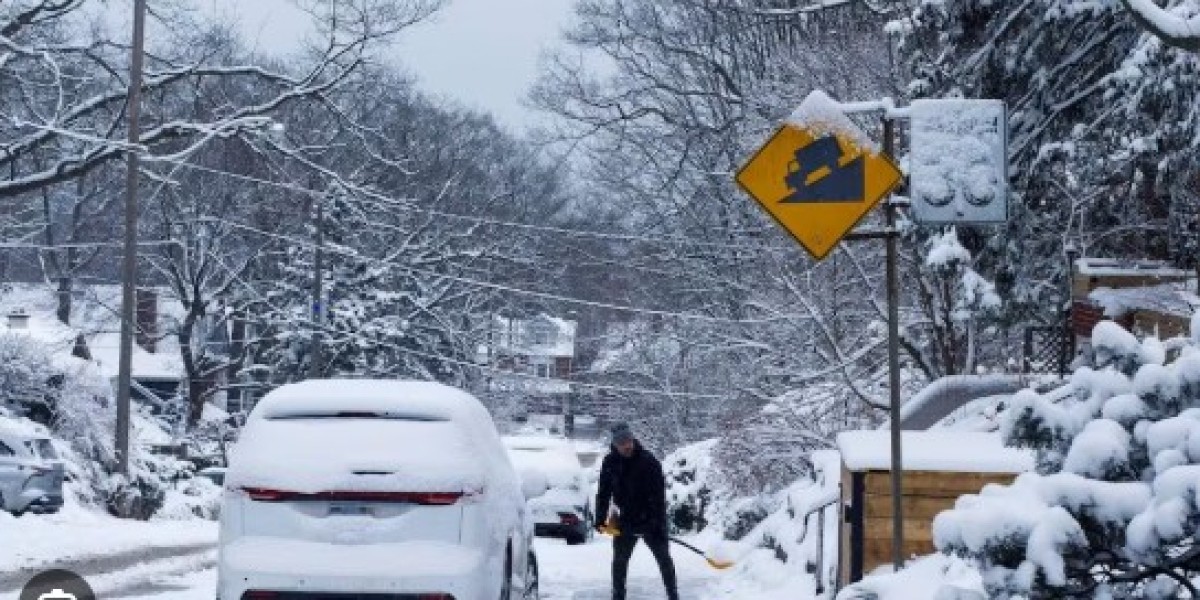

Winter storms affect nearly every part of the United States, but their impact varies dramatically depending on geography, climate, infrastructure, public policy, and community preparedness. A snowstorm that barely interrupts daily life in one city can completely shut down another. This difference often surprises travelers, newcomers, and even longtime residents who relocate from one region to another.
The amount of snow that falls is only one part of the story. Equally important are how often snow occurs, how much money local governments invest in winter operations, how roads are designed, whether drivers have experience with icy conditions, and how schools and businesses respond to hazardous weather.
Cities throughout America have developed very different strategies for managing winter weather. Some have fleets of hundreds of snowplows working around the clock, while others own only a handful of plows because significant snowfall happens only once every few years. These contrasting approaches explain why four inches of snow is a routine morning commute in one location and a regional emergency somewhere else.
Buffalo, New York: Built for Heavy Snow
Buffalo is internationally known for lake-effect snow, making it one of America's most experienced winter cities. Positioned near Lake Erie, the city regularly receives moisture-rich snow bands that can produce astonishing snowfall totals in a matter of hours.
Annual snowfall frequently exceeds 90 inches, and some winters produce well over 100 inches. Residents expect snowy roads, frozen sidewalks, and prolonged periods of cold weather. Because of this expectation, nearly every aspect of city planning incorporates winter conditions.
Road maintenance crews operate extensive fleets of snowplows equipped with salt spreaders. Major highways receive treatment before storms arrive, while residential streets are cleared according to established priority schedules. Local governments budget millions of dollars every year for snow removal, road salt, equipment maintenance, and emergency staffing.
Schools in Buffalo generally remain open during moderate snowfalls because administrators recognize that students, bus drivers, and parents are accustomed to winter travel. Closures usually occur only when lake-effect snow becomes exceptionally intense or when visibility falls to dangerous levels.
Residents also tend to own snow tires, shovels, snow blowers, and emergency supplies. Winter preparedness is simply part of everyday life.
Minneapolis, Minnesota: Cold Temperatures Demand Serious Preparation
Minneapolis experiences long winters characterized not only by snowfall but also by extreme cold. Annual snowfall averages around 50 inches, while temperatures regularly drop well below freezing for extended periods.
Unlike cities farther south, Minneapolis designs much of its transportation system around winter reliability. Snow removal begins almost immediately after accumulation starts, and the city has detailed snow emergency routes that prohibit parking during plowing operations.
Municipal budgets dedicate substantial resources toward winter maintenance, recognizing that reliable transportation is essential for both economic activity and public safety. Salt, sand, specialized chemicals, and advanced forecasting technologies help crews respond efficiently before roads become dangerously icy.
Schools are generally less likely to close because of snowfall alone. Instead, closures often occur when dangerously low wind chills create health risks for children waiting outdoors or riding school buses.
Residents expect winter driving conditions and usually equip their vehicles accordingly. Four inches of fresh snow rarely causes widespread disruption because infrastructure and public expectations align with the region's climate.
Denver, Colorado: High Elevation Creates Unique Challenges
Denver occupies a unique position where weather conditions can change rapidly. Snowstorms develop quickly along the Front Range, yet sunshine often returns within hours or days, melting accumulated snow.
Annual snowfall averages roughly 55 inches, although seasonal totals vary considerably. Some storms deliver heavy snowfall in a short period, followed by rapid clearing under bright sunshine.
Denver's winter maintenance strategy emphasizes quick deployment. Snowplows prioritize highways, emergency routes, major intersections, and public transportation corridors before addressing neighborhood streets.
Road treatment budgets reflect the city's frequent but manageable winter storms. Salt usage is often balanced with environmental considerations, while sand is commonly used to improve traction during icy conditions.
Schools may delay openings or cancel classes depending on road conditions rather than snowfall totals alone. Because mountain weather influences the metropolitan area, forecasts receive close attention from both transportation officials and school districts.
Drivers in Denver generally possess moderate winter driving experience, although occasional newcomers unfamiliar with snow can contribute to traffic problems during major storms.
Seattle, Washington: Hills and Ice Complicate Winter Weather
Seattle receives relatively little annual snowfall compared to northern cities, averaging only a few inches each winter. However, snowfall events often create widespread disruption despite their modest totals.
The city's geography plays a major role. Steep hills become extremely hazardous when snow combines with freezing temperatures. Even a thin layer of ice can make roads nearly impassable for conventional vehicles.
Seattle also experiences frequent freeze-thaw cycles. Snow may partially melt during the day before refreezing overnight into dangerous black ice.
Because significant snowfall occurs infrequently, municipal investments in snow removal equipment remain relatively modest compared to snowbelt cities. Officials focus resources on maintaining primary roads, bridges, emergency routes, and public transportation corridors.
Schools frequently close with snowfall amounts that would barely affect Buffalo or Minneapolis. This policy reflects local conditions rather than inadequate preparation. Limited equipment, steep terrain, and widespread ice create genuine safety concerns.
Residents often lack snow tires or extensive winter driving experience because they simply are not needed most years.
Atlanta, Georgia: Rare Snow, Major Disruption
Atlanta has become famous for winter weather emergencies despite receiving very little annual snowfall. Snow averages only a small amount each year, and many winters produce virtually no measurable accumulation.
When snow does arrive, it often combines with freezing rain, sleet, or rapidly dropping temperatures that create widespread ice.
Ice is far more dangerous than fluffy snow because it dramatically reduces tire traction while remaining difficult to detect. Even experienced drivers struggle under these conditions.
Since severe winter storms occur infrequently, Atlanta maintains a comparatively limited snow removal fleet. Purchasing hundreds of additional plows would provide little economic value given how rarely they would be used.
Road treatment budgets therefore prioritize strategic preparation rather than extensive snow-clearing capacity. Crews focus on bridges, overpasses, hospitals, and major highways where freezing occurs first.
Schools frequently close before winter precipitation begins because officials recognize that road conditions may deteriorate rapidly. Preventive closures reduce traffic volume and help emergency vehicles move more efficiently.
Many Atlanta residents have never driven extensively on snow or ice, increasing accident rates during winter weather events.
Dallas, Texas: When Snow Becomes a Historic Event
Dallas illustrates how unusual winter weather can overwhelm regions that seldom experience it. Average annual snowfall remains low, but periodic Arctic outbreaks occasionally produce significant snow and ice.
Unlike northern cities, Dallas infrastructure historically focused more on heat management than winter resilience. Road crews own fewer snowplows, while large-scale salt storage facilities remain limited.
During rare but severe winter storms, transportation systems can experience widespread disruption. Elevated highways, bridges, and overpasses freeze rapidly because cold air circulates above and below the roadway.
School districts often cancel classes well before storms arrive, recognizing that even minor icing creates dangerous travel conditions.
Businesses may close temporarily, flights experience delays, and supply chains encounter interruptions because local systems simply are not designed for frequent winter weather.
Residents generally lack winter tires, snow shovels, and extensive experience driving in icy conditions, further increasing the storm's impact.
Why Four Inches Means Different Things Across America
Many people assume snowfall totals alone determine whether a city shuts down. In reality, multiple factors influence the severity of a winter storm's impact.
Climate familiarity plays perhaps the largest role. Residents of Buffalo expect heavy snow every winter and adapt their routines accordingly. Drivers reduce speed, employers allow additional commuting time, and governments maintain extensive response capabilities.
In Atlanta or Dallas, similar snowfall represents an unusual event requiring emergency responses because communities rarely encounter such conditions.
Infrastructure investment also matters tremendously. Cities receiving frequent snowfall justify substantial annual expenditures on snowplows, salt storage facilities, maintenance garages, weather forecasting systems, and trained personnel.
Regions with infrequent snow cannot economically maintain equally large fleets for storms that may occur only once every several years.
Road design further influences outcomes. Flat cities generally experience fewer problems than communities built across steep hills or elevated terrain where traction becomes difficult.
Finally, public behavior shapes storm response. Residents accustomed to winter weather often prepare emergency kits, install winter tires, monitor forecasts closely, and understand safe driving techniques.
Road Treatment Strategies Across Different Regions
Snow removal extends far beyond simply pushing snow aside.
Northern cities often apply salt before storms begin, preventing snow from bonding tightly to pavement. During storms, plows repeatedly clear accumulation while additional salt accelerates melting.
Some jurisdictions supplement salt with sand to improve traction, particularly during extremely cold temperatures when traditional salt becomes less effective.
Western cities may emphasize abrasive materials because environmental concerns influence chemical usage near sensitive watersheds.
Southern cities often concentrate limited resources on critical transportation corridors rather than attempting to clear every neighborhood street simultaneously.
Timing proves just as important as equipment. Meteorologists, transportation departments, and emergency managers coordinate closely before winter storms to maximize efficiency while minimizing costs.
School Closure Decisions Reflect Local Reality
School closure policies differ significantly across the United States because local conditions vary so dramatically.
In northern cities, districts frequently remain open after several inches of overnight snowfall because buses, roads, and families are prepared.
In southern regions, even forecasts for light snow may trigger closures due to concerns about rapidly freezing roads and limited snow removal capacity.
Temperature also matters. Northern districts occasionally cancel classes despite little snowfall because dangerously low wind chills threaten student safety.
Decision-makers evaluate road conditions, weather forecasts, bus route accessibility, staffing availability, and emergency management recommendations before announcing closures.
These policies may appear inconsistent when compared across regions, but each reflects unique local circumstances rather than a universal snowfall threshold.
Economic Costs of Winter Storm Response
Managing winter weather requires significant public investment.
Snowbelt cities spend millions annually maintaining specialized vehicles, purchasing road salt, hiring seasonal employees, repairing equipment, and storing winter supplies.
These recurring expenses become part of predictable municipal budgets because heavy snowfall occurs regularly.
Cities with infrequent snow avoid many of these annual costs but face larger disruptions when severe storms eventually occur. Emergency declarations, business closures, transportation interruptions, and utility outages may create economic losses exceeding the cost of ordinary snow removal.
Officials continually balance preparedness against fiscal responsibility, making investment decisions based on historical weather patterns and future climate expectations.
Technology Improves Modern Winter Storm Management
Advances in forecasting have transformed winter weather response.
High-resolution weather models help transportation agencies anticipate snowfall timing, accumulation, pavement temperatures, and ice formation with increasing accuracy.
Road weather sensors provide real-time information that guides treatment decisions, while GPS-equipped snowplows improve operational efficiency.
Public communication has also improved dramatically. Mobile applications, emergency alerts, traffic cameras, and online dashboards allow residents to monitor changing conditions before traveling.
Families planning trips across multiple regions often benefit from checking regional forecasts and resources. For example, you can compare winter storm warnings by city across more than 260 locations worldwide, making it easier to understand how conditions differ between destinations before traveling.
Lessons Every City Can Learn
Every American city has developed winter strategies tailored to its climate, geography, and available resources. Buffalo demonstrates the value of extensive preparation for frequent heavy snow, while Minneapolis shows how communities adapt to prolonged cold. Denver highlights the importance of rapid response in highly variable mountain weather. Seattle illustrates how terrain can amplify relatively small snowfall events. Atlanta emphasizes the challenges posed by infrequent but disruptive ice storms, and Dallas reminds us that rare winter outbreaks can still produce significant emergencies.
No single approach works everywhere because every region faces unique risks. Investments that make perfect sense in western New York would be unnecessarily expensive in northern Texas, while southern emergency planning focuses more heavily on ice than on deep snow.
Ultimately, winter preparedness is about matching infrastructure, budgets, public expectations, and emergency planning to local weather realities. Four inches of snow is never just four inches—it represents an interaction between climate, geography, engineering, public policy, and community experience. Understanding these differences helps explain why one city carries on almost without interruption while another temporarily comes to a standstill under the very same snowfall