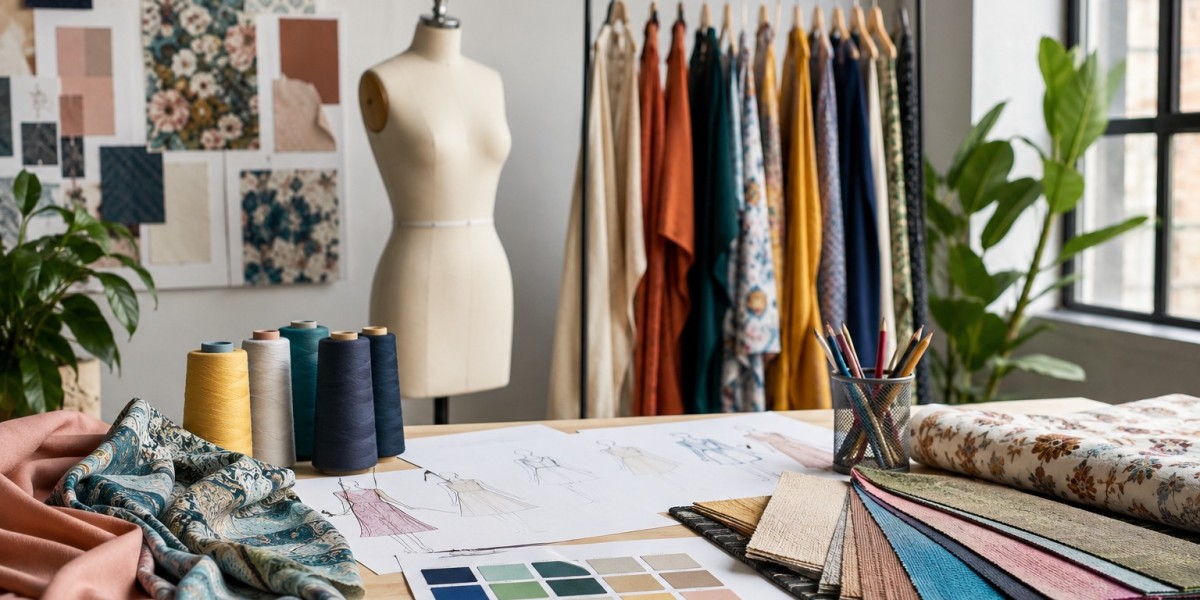

The opportunities for designers in textile industry have expanded significantly over the last decade, driven by innovation, sustainability, and evolving consumer preferences. Whether you are a student exploring design as a profession or a graduate looking to specialize, the textile industry provides diverse roles that combine creativity, technology, and business.
The Rising Demand for Textile Designers
The textile industry is one of the largest employment-generating sectors worldwide. As fashion trends change rapidly and customers seek unique products, businesses require talented designers who can create original patterns, fabrics, and collections. Designers today are expected to understand not only aesthetics but also functionality, sustainability, and market trends.
The growing popularity of eco-friendly materials, digital printing, and personalized fashion has further increased the demand for skilled professionals. This means aspiring designers have more opportunities than ever before to establish rewarding careers across different segments of the textile industry.
Career Paths in the Textile Industry
A career in textile design is no longer limited to creating fabric prints. Modern designers can work in multiple specialized fields, including:
- Textile Pattern Designer
- Fabric Development Specialist
- Fashion Textile Designer
- Surface Pattern Designer
- Home Furnishing Designer
- Textile Merchandiser
- Apparel Production Designer
- Textile Quality Analyst
- Sustainable Textile Consultant
- Technical Textile Designer
Each of these roles requires a combination of artistic creativity, technical knowledge, and an understanding of consumer preferences.
Industries Hiring Textile Designers
Textile designers are employed across a wide range of industries. Fashion and apparel brands remain one of the largest employers, but there are many other sectors offering excellent career opportunities.
Some of the leading industries include:
- Fashion and garment manufacturing
- Home décor and furnishing companies
- Textile export houses
- Handloom and handicraft organizations
- Sportswear manufacturers
- Automotive textile companies
- Healthcare and medical textiles
- Technical textile manufacturers
- E-commerce fashion brands
The increasing demand for innovative textile products means designers can also explore freelance work, entrepreneurship, or establish their own design labels.
Essential Skills for Success
A successful textile designer requires more than artistic talent. Employers value professionals who possess a balance of creativity and technical expertise.
Important skills include:
- Color theory and composition
- Fabric knowledge
- Surface design techniques
- CAD software proficiency
- Trend forecasting
- Communication and presentation skills
- Problem-solving abilities
- Sustainable design practices
Learning these skills through a reputed designing institute can provide structured training, industry exposure, internships, and portfolio development that significantly improve employability.
The Impact of Technology on Textile Design
Technology has transformed the way textile designers work. Digital tools allow designers to experiment with patterns, textures, and colors much faster than traditional methods. Computer-aided design software has become an essential part of the design process, helping professionals create accurate prototypes while reducing production costs.
Another major development is the growing use of AI tools for designers. Artificial intelligence helps automate repetitive tasks, generate design concepts, analyze market trends, and recommend color combinations. Rather than replacing creativity, AI enables designers to spend more time on innovation and strategic thinking. Professionals who combine traditional design knowledge with modern technology often enjoy a competitive advantage in the job market.
Why Sustainability Matters
Sustainability has become a defining trend in the textile industry. Consumers increasingly prefer environmentally responsible brands, encouraging companies to adopt eco-friendly manufacturing processes and recyclable materials.
Textile designers contribute by selecting sustainable fabrics, minimizing production waste, and creating products with longer life cycles. Knowledge of sustainable design practices has become a valuable skill that many employers actively seek.
Building a Successful Career
Students interested in textile design should begin by developing a strong portfolio that showcases creativity, technical ability, and original concepts. Participating in design competitions, internships, workshops, and collaborative projects can strengthen practical experience.
Networking with industry professionals, staying updated with design trends, and continuously upgrading technical skills also contribute to long-term career growth. Designers who remain adaptable to changing technologies and consumer preferences often progress into leadership roles or establish successful independent businesses.
Future Growth Prospects
The future of textile design looks highly promising. With advancements in smart textiles, wearable technology, sustainable manufacturing, and digital fashion, the scope of work continues to expand. Businesses are investing in innovative products that require creative professionals capable of blending aesthetics with functionality.
As global markets become increasingly competitive, organizations seek designers who understand both creativity and commercial value. This creates excellent opportunities for graduates willing to learn continuously and embrace new technologies.
Conclusion
The textile industry offers a rewarding career for individuals who enjoy creativity, innovation, and problem-solving. From fashion houses and home décor brands to technical textile manufacturers, professionals have access to a wide variety of career paths. Developing strong design fundamentals, embracing modern technologies, and gaining industry exposure through quality education can help aspiring designers build successful careers. With continuous innovation shaping the future of textiles, this field remains one of the most exciting and dynamic choices for creative professionals.