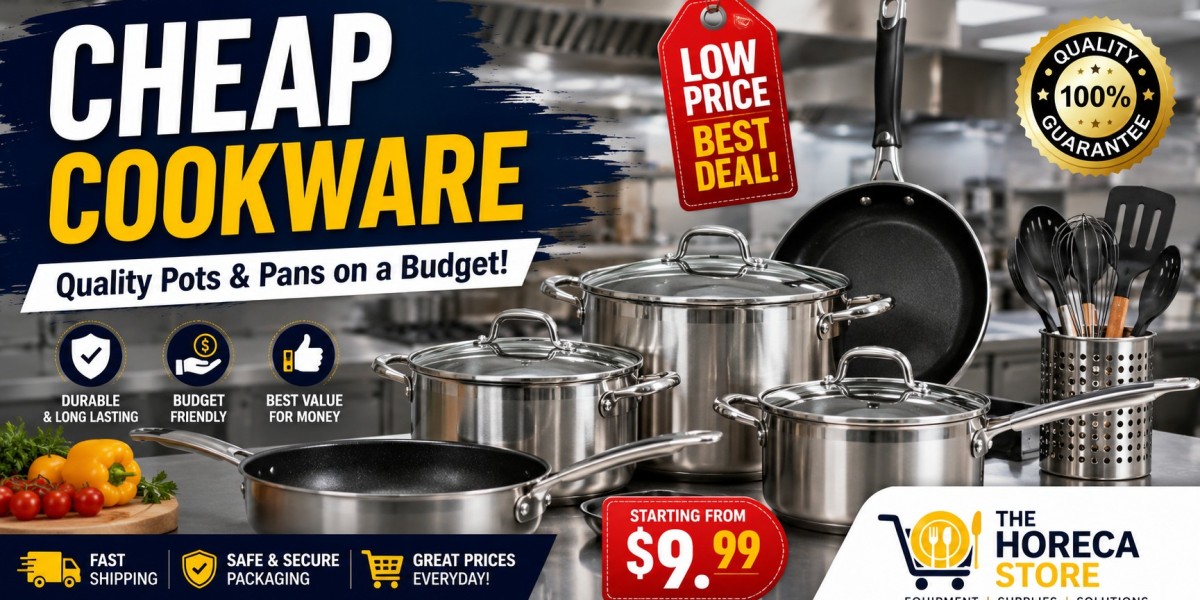

Equipping your kitchen doesn’t have to drain your wallet. With the right approach, you can find cheap cookware that performs well, lasts long, and helps you cook delicious meals every day. Whether you’re setting up your first kitchen, replacing old pots and pans, or simply trying to save money, affordable cookware can be a smart and practical choice.
This guide explores how to choose cheap cookware wisely, what materials to look for, and how to get the best value for your budget.
Why Cheap Cookware Can Be a Smart Choice
Many people assume that low-cost cookware means poor quality, but that’s not always true. Advances in manufacturing have made it possible to produce durable and efficient cookware at affordable prices.
Cheap cookware is ideal for:
Beginners learning to cook
Students or renters
Budget-conscious households
Backup or secondary kitchen sets
When chosen carefully, affordable cookware can handle most everyday cooking tasks just as well as premium options.
Types of Cheap Cookware Materials
Understanding cookware materials is essential when shopping on a budget. Each material offers different benefits and limitations.
1. Aluminum Cookware
Aluminum is one of the most common materials used in affordable cookware.
Advantages:
Excellent heat conductivity
Lightweight and easy to handle
Budget-friendly
Disadvantages:
Can warp if too thin
May react with acidic foods unless coated
Anodized aluminum is a better option as it is more durable and resistant to corrosion.
2. Nonstick Cookware
Nonstick pans are popular because they are easy to use and clean.
Advantages:
Requires less oil
Food doesn’t stick
Easy cleanup
Disadvantages:
Coating can wear out over time
Not ideal for high heat cooking
Look for pans with multiple layers of coating for better durability.
3. Stainless Steel Cookware
Stainless steel is a durable and versatile option, even in lower price ranges.
Advantages:
Long-lasting
Resistant to rust and corrosion
Great for searing and browning
Disadvantages:
Food may stick without proper technique
Slightly heavier
Affordable stainless steel sets often include an aluminum core for better heat distribution.
4. Cast Iron Cookware
Cast iron is surprisingly affordable and extremely durable.
Advantages:
Excellent heat retention
Naturally nonstick when seasoned
Long lifespan
Disadvantages:
Heavy
Requires maintenance
A single cast iron skillet can replace multiple pans and last for decades.
Essential Cheap Cookware Pieces
If you’re building a kitchen on a budget, start with these essentials:
Frying Pan
A versatile pan for everyday cooking like eggs, vegetables, and meats.
Saucepan
Perfect for boiling, making sauces, and reheating food.
Stockpot
Ideal for soups, pasta, and large meals.
Sauté Pan
Great for one-pan dishes and quick meals.
Instead of buying large sets, focus on these core pieces to save money and avoid clutter.
What to Look for When Buying Cheap Cookware
Choosing the right cookware involves more than just price. Here are key factors to consider:
1. Thickness and Build Quality
Avoid extremely thin pans that can warp easily. Look for sturdy construction.
2. Heat Distribution
Even heating prevents hot spots and improves cooking results.
3. Handle Design
Comfortable, heat-resistant handles are important for safety and ease of use.
4. Compatibility
Ensure the cookware works with your stovetop, especially if you use induction.
5. Warranty
Some affordable brands still offer warranties, which adds value and peace of mind.
Tips to Get the Best Value
Finding cheap cookware doesn’t mean buying the lowest-priced option. Use these tips to maximize value:
1. Buy in Sets (When Practical)
Cookware sets often cost less per piece than buying individually.
2. Look for Sales and Discounts
Seasonal sales, clearance events, and online deals can help you save more.
3. Read Reviews
Customer feedback can reveal durability and performance issues.
4. Choose Multi-Purpose Items
Versatile cookware reduces the need for multiple pieces.
How to Make Cheap Cookware Last Longer
Proper care can significantly extend the life of affordable cookware.
1. Avoid High Heat
Excessive heat can damage coatings and warp pans.
2. Use Proper Utensils
Wooden or silicone utensils prevent scratches.
3. Clean Gently
Avoid abrasive scrubbers that can damage surfaces.
4. Store Carefully
Stack pans with protective liners to prevent scratches.
5. Season Cast Iron Regularly
Maintains its nonstick surface and prevents rust.
Common Mistakes to Avoid
When buying cheap cookware, avoid these common pitfalls:
Choosing price over quality
Ignoring material differences
Buying unnecessary pieces
Not checking compatibility with your stove
Making informed decisions ensures better performance and longevity.
Cheap vs Expensive Cookware: Is It Worth Upgrading?
Expensive cookware often offers premium materials, advanced features, and longer warranties. However, for everyday cooking, cheap cookware can perform just as well when used correctly.
Cheap cookware is best for:
Basic cooking needs
Small households
Budget-conscious buyers
Expensive cookware is better for:
Professional cooking
Long-term investment
Advanced cooking techniques
For most people, affordable cookware provides excellent value without the high cost.
Who Should Choose Cheap Cookware?
Cheap cookware is ideal for:
Students and first-time cooks
Families on a budget
People who cook occasionally
Anyone looking for practical, no-frills kitchen tools
It allows you to build a functional kitchen without overspending.
Final Thoughts
Choosing cheap cookware doesn’t mean compromising on quality or performance. With the right knowledge and careful selection, you can find affordable pots and pans that meet your cooking needs and last for years.
The Horeca Store Focus on essential pieces, prioritize durability, and take good care of your cookware to get the most value from your investment. Whether you’re cooking simple meals or experimenting with new recipes, budget-friendly cookware can help you create great dishes without breaking the bank.
In the end, great cooking isn’t about how much you spend—it’s about how you use the tools you have.