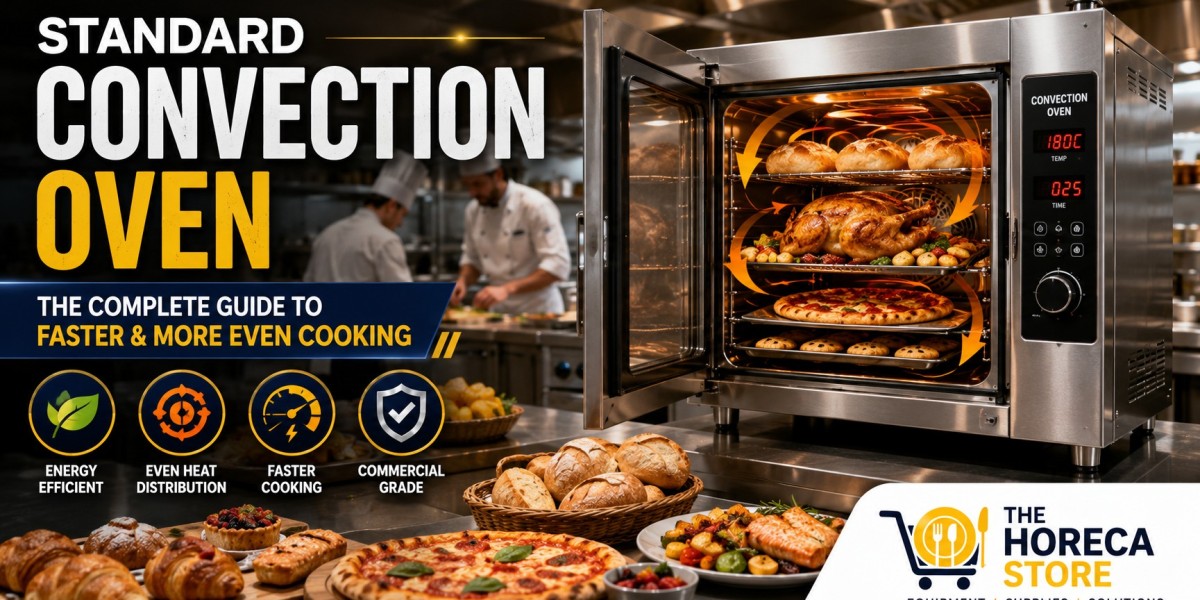

A standard convection oven is one of the most versatile and efficient pieces of equipment found in commercial kitchens. Designed with a built-in fan and exhaust system, a convection oven circulates hot air evenly throughout the cooking chamber, allowing food to cook faster and more consistently than a traditional conventional oven. From restaurants and bakeries to hotels, cafés, and catering businesses, convection ovens are widely used for baking, roasting, and reheating a variety of menu items.
Whether you're opening a new foodservice business or upgrading your kitchen equipment, understanding the benefits and features of a standard convection oven can help you make an informed investment that improves productivity and food quality.
What Is a Standard Convection Oven?
A standard convection oven is a commercial or residential oven equipped with an internal fan that continuously circulates heated air around the food. This airflow eliminates hot and cold spots, resulting in even cooking and consistent browning.
Unlike conventional ovens that rely on stationary heat, convection ovens distribute heat more efficiently, reducing cooking times and improving overall performance. They are ideal for preparing baked goods, roasted meats, vegetables, casseroles, pizzas, cookies, pastries, and many other menu items.
How Does a Convection Oven Work?
The primary difference between a convection oven and a conventional oven is the circulation of hot air. A built-in fan moves heated air throughout the cooking chamber, ensuring every part of the food receives consistent heat.
This process offers several advantages:
Faster cooking times
Even heat distribution
Better browning
Crispier textures
Reduced energy consumption
Improved cooking consistency
Because heat is evenly distributed, chefs can prepare multiple trays of food without worrying about uneven cooking.
Benefits of a Standard Convection Oven
A convection oven offers numerous benefits that improve kitchen efficiency and food quality.
Faster Cooking
The circulating hot air reduces cooking times by approximately 20–30% compared to traditional ovens, helping kitchens serve customers more quickly.
Even Heat Distribution
Hot air reaches every corner of the oven, reducing the need to rotate baking trays and ensuring uniform cooking.
Energy Efficiency
Since food cooks faster and at lower temperatures, convection ovens consume less energy, helping reduce utility costs.
Better Food Quality
Roasted meats develop crispy skin while remaining juicy inside, and baked goods achieve even color and texture.
Increased Productivity
Commercial kitchens can prepare more food in less time, increasing output during busy service periods.
Common Applications
Standard convection ovens are suitable for a wide range of foodservice operations, including:
Restaurants
Hotels
Cafés
Bakeries
Catering businesses
School cafeterias
Hospitals
Food courts
Corporate kitchens
Their versatility makes them one of the most valuable appliances in any commercial kitchen.
Foods That Cook Best in a Convection Oven
A standard convection oven is ideal for cooking various foods, including:
Bread
Cookies
Cakes
Muffins
Pizza
Roasted chicken
Turkey
Beef
Vegetables
Lasagna
Casseroles
Frozen appetizers
The consistent airflow produces evenly cooked dishes with attractive color and texture.
Features to Look For
When choosing a commercial convection oven, consider the following features:
Stainless steel construction
Digital temperature controls
Multiple rack positions
Interior lighting
Double-pane glass doors
High-capacity cooking chamber
Energy-efficient operation
Adjustable fan speed
Programmable cooking settings
Easy-to-clean interior
Selecting the right features helps improve efficiency while simplifying daily kitchen operations.
Maintenance Tips
Proper maintenance extends the lifespan and performance of your convection oven.
Follow these best practices:
Clean the interior after each use.
Remove grease and food residue regularly.
Inspect door seals for wear.
Clean fan blades periodically.
Check temperature calibration.
Keep air vents unobstructed.
Schedule professional servicing when needed.
Follow the manufacturer's maintenance recommendations.
Routine maintenance ensures consistent cooking performance and reduces repair costs.
Choosing the Right Standard Convection Oven
Before purchasing a convection oven, evaluate your kitchen's specific needs.
Important considerations include:
Kitchen size
Daily cooking volume
Available installation space
Power requirements
Number of oven racks
Temperature range
Energy efficiency
Budget
A properly sized oven improves workflow while meeting your production demands.
Why Commercial Kitchens Prefer Convection Ovens
Professional chefs rely on convection ovens because they deliver predictable, high-quality results every day. Whether baking pastries in the morning or roasting meats for dinner service, these ovens provide reliable performance with minimal effort.
Their ability to cook food quickly and evenly helps restaurants maintain consistency, reduce waste, and improve customer satisfaction. In fast-paced commercial kitchens, this reliability is essential for maximizing productivity and maintaining food quality.
Final Thoughts
A standard convection oven is an essential investment for restaurants, bakeries, hotels, cafés, and other foodservice businesses seeking faster cooking, consistent results, and greater energy efficiency. By circulating hot air throughout the cooking chamber, convection ovens produce evenly cooked meals while reducing preparation times and operating costs.
The Horeca Store Whether you're baking bread, roasting meats, or preparing large batches of food, a high-quality standard convection oven delivers the performance, durability, and versatility needed in today's professional kitchens. Choosing the right model and maintaining it properly will help ensure years of reliable service and exceptional cooking results.