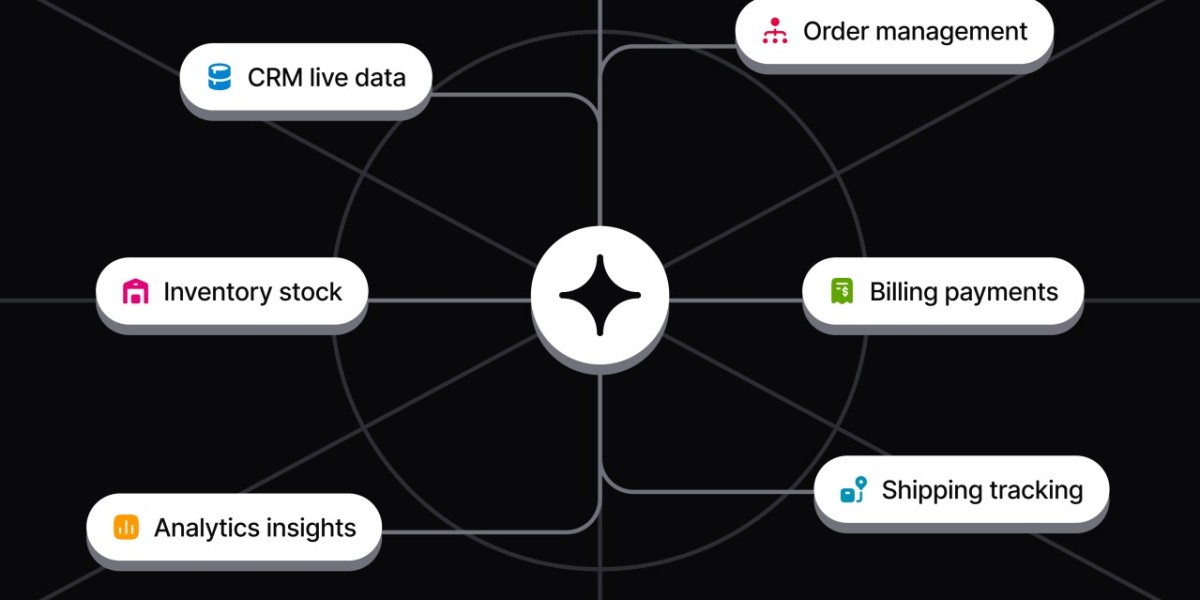

The ecommerce AI market is projected to exceed $10.9 billion this year. 57% of ecommerce businesses are exploring AI agent use cases. The money is flowing, the tools exist, and the case studies are piling up.
But after analyzing how AI agents for ecommerce perform across hundreds of deployments on our platform, one pattern is clear: the gap between brands that get transformative results and brands stuck in pilot mode has almost nothing to do with the technology they chose.
Every brand is using Chatbase, but the effectiveness comes down to how they deploy it.
Here's what the top-performing ecommerce brands are doing differently, and the framework any online store can use to get there.
The First-Layer Framework for Ecommerce AI Agents
Every ecommerce support operation has the same structural problem. Somewhere between 60% and 80% of incoming tickets are the same questions on repeat: where's my order, how do I return this, when will it ship, can I change my address, etc.
These questions have clear, data-driven answers. They don't require judgment, empathy, or negotiation. They just need access to the right system and the ability to pull the right information for the right customer.
We call this the first layer. And for most ecommerce operations, especially at scale, the first layer is consuming the majority of your support budget.
Your best agents could be saving at-risk customers or closing high-value sales through live chat. Instead, they're spending their shifts copy-pasting tracking links.
The most successful 5% of ecommerce brands fix this first. Not by deflecting tickets to a help center, but by resolving them completely with an AI agent connected to live systems.