
Calgary has a growing and competitive pet care industry. Choosing the right facility for your pet requires informed evaluation. Not all facilities offer the same standard of care, safety, or transparency. Knowing exactly what to look for helps you make a confident and appropriate decision.
Why Facility Selection Has Real Consequences for Your Pet
The facility you choose directly shapes your pet's boarding experience. A substandard facility creates stress, health risks, and behavioral complications. Animals that repeatedly experience poor boarding may develop lasting anxiety about separation. Conversely, a quality facility builds confidence and makes future boarding stays progressively easier.
First-time boarders are especially sensitive to the quality of their initial facility experience. A negative first boarding encounter can create lasting behavioral associations with the experience. Investing in quality selection the first time pays dividends across every future boarding stay. The consequences of facility selection are measurable and long-lasting for your animal.
The Difference Between Minimum Standards and Genuine Quality
Provincial regulations set minimum care standards for pet facilities in Alberta. These minimums cover enclosure size, basic feeding requirements, and emergency protocols. Compliance with minimums is a legal requirement, not an indicator of genuine quality. The best Calgary facilities voluntarily exceed regulatory minimums in every measurable dimension.
Look for facilities that hold additional certifications beyond basic provincial licensing. Industry association memberships and voluntary certifications indicate quality commitment. These certifications require adherence to standards that exceed regulatory minimums significantly. Seeking out certified facilities gives you confidence beyond what licensing alone provides.
Evaluating the Physical Environment During a Facility Tour
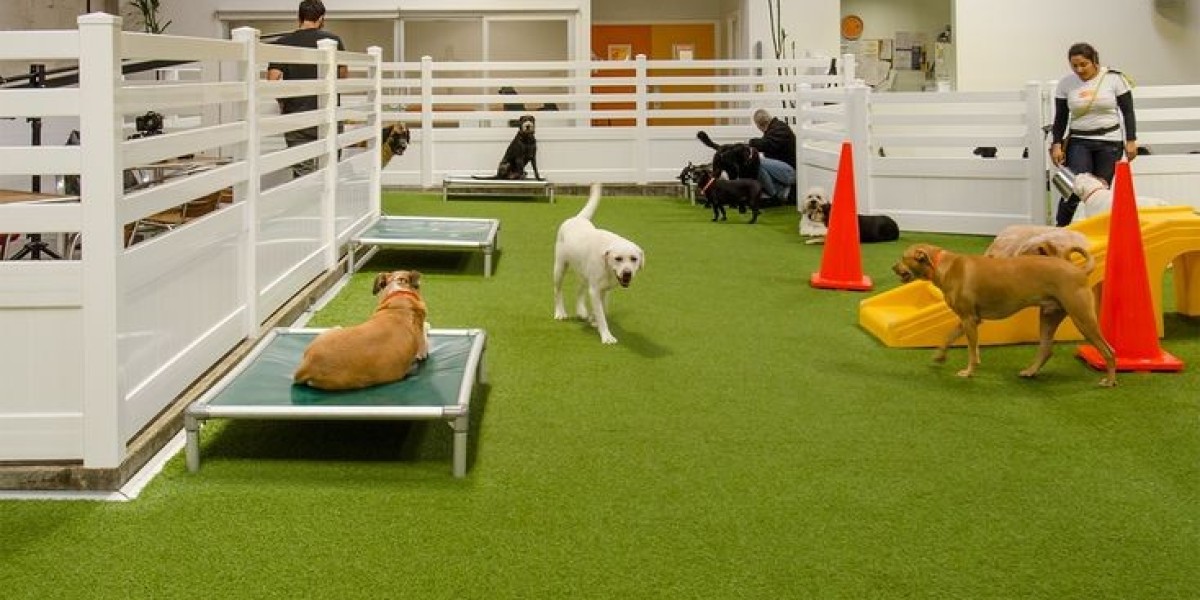
A pre-booking facility tour is the most important step in your selection process. In-person observation reveals what photographs and marketing materials cannot show. Inspect all animal-occupied areas, not just the reception or lobby spaces shown first. A facility confident in its standards will welcome your thorough inspection without hesitation.
Enclosure size is one of the most important physical environment factors to evaluate. Animals must be able to stand, turn, stretch, and rest comfortably inside their enclosure. Cramped conditions cause physical discomfort and significant psychological stress over time. Adequate space is a non-negotiable baseline quality requirement for any facility you consider.
Cleanliness Standards as a Reliability Indicator
Cleanliness during an unannounced or unexpected visit reveals genuine operational standards. Persistent strong odors signal inadequate cleaning frequencies or substandard products. All animal-occupied surfaces should appear visibly clean and well-maintained. A clean facility reflects the operational discipline that produces consistently good animal outcomes.
Ask about the cleaning products and disinfection protocols used throughout the facility. Pet-safe disinfectants that effectively eliminate pathogens are the standard in quality facilities. Cleaning frequency between each occupant's stay prevents disease transmission between animals. These cleaning details distinguish genuinely safe facilities from those that only appear clean on the surface.
Staff Qualifications and Animal Handling Expertise
Staff qualifications are the most important quality factor in any pet care facility. Well-trained staff recognize stress, illness, and discomfort signals in boarded animals. Their early recognition of these signals enables prompt intervention before complications escalate. Animal behavior expertise is the foundation upon which all other quality dimensions are built.
Certifications in animal behavior, first aid, and species-specific care are meaningful credentials. Ask what training programs staff are required to complete before working independently. Regular training updates ensure that staff knowledge stays current with evolving best practices. Facilities that invest in ongoing staff development consistently produce better animal care outcomes.
Staff-to-Animal Ratios During Your Evaluation
Staff-to-animal ratios directly determine the level of individual attention your pet receives. A lower ratio means more time per animal and higher quality of individual monitoring. Ask specifically what the ratio is during peak boarding periods such as holidays. Facilities that maintain consistent ratios regardless of volume demonstrate genuine commitment.
Overnight staffing presence is a premium safety feature worth asking about directly. Emergencies occur at all hours and require immediate professional response. A facility with overnight staff provides a significantly higher level of safety assurance. The presence of overnight supervision is a meaningful differentiator between good and excellent facilities.
Health and Safety Protocols That Reflect Quality Commitment
Request documentation of the facility's health and safety protocols during your tour. Quality facilities maintain written protocols for emergencies, medication administration, and disease prevention. The existence and detail of these documents reflects the seriousness of operational management. Facilities that cannot produce documented protocols should be evaluated with significant caution.
Vaccination requirements for all incoming animals are a fundamental disease prevention measure. Every boarded animal should have current vaccinations verified before intake. This verification policy protects every animal currently housed in the facility. Ask how and when vaccination records are verified as part of your evaluation process.
Emergency Preparedness and Veterinary Access Standards
Emergency preparedness is a critical safety feature that every facility should have. A documented relationship with a nearby veterinary clinic is the minimum expectation. Staff should be trained in basic animal first aid and emergency response protocols. After-hours veterinary access is a premium feature that indicates serious safety commitment.
Ask what specific steps staff take when an animal shows signs of illness. The speed and confidence of the answer reveals the quality of emergency preparedness. Vague or uncertain responses to this question are a meaningful warning indicator. Quality facilities have clear, practiced protocols and staff who can articulate them confidently.
Finding Quality Care in Calgary for Your Pet
Calgary's competitive pet care market provides owners with numerous high-quality options. Facilities near Calgary's major transport hub serve both local pets and those arriving from travel. The best animal boarding calgary facilities combine excellent physical environments with expert staff and robust safety protocols. Their proximity to the airport makes them particularly valuable for owners completing international relocations.
Reading reviews from multiple platforms provides balanced insight into facility performance. Look for reviews that describe specific care practices rather than general satisfaction scores. Patterns in multiple reviews are more reliable than any single account or testimonial. Community trust earned over time is the most credible quality indicator available to you.
Choosing a trusted pet care facility in Calgary requires research, observation, and direct questioning. The right facility meets every evaluation criterion with confidence and transparency. Thorough selection protects your pet's health, safety, and emotional wellbeing during every stay. Your investment in this evaluation process is the most direct form of care you can provide.