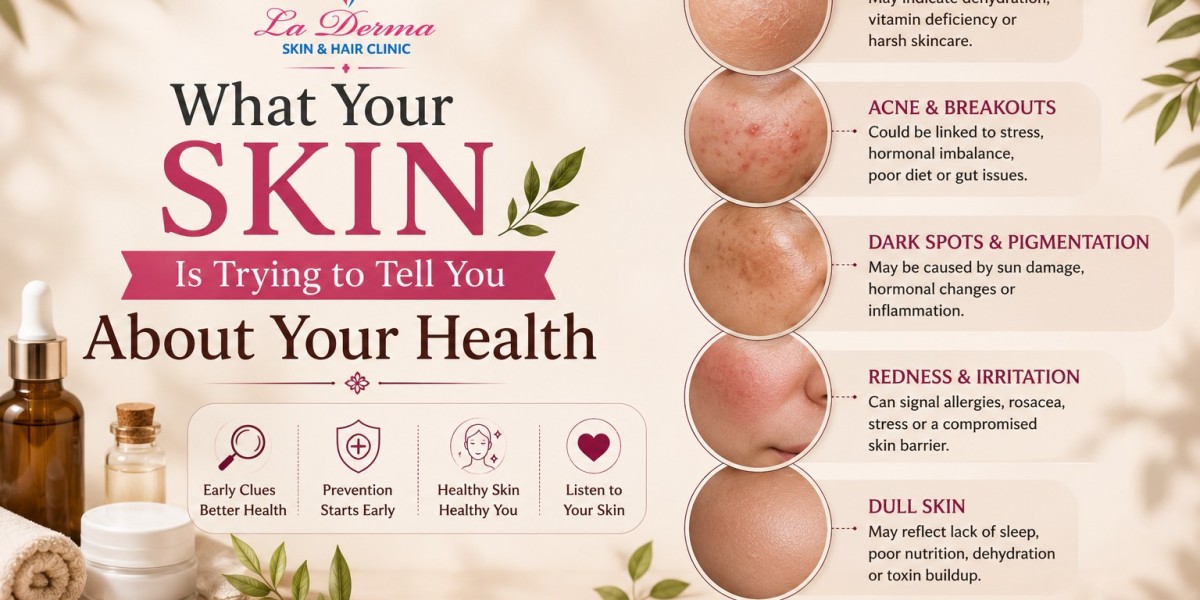

Your skin is more than just your body's outer layer—it often reflects what's happening inside your body. Changes in skin color, texture, or appearance can sometimes indicate nutritional deficiencies, hormonal imbalances, allergies, stress, or underlying medical conditions. Consulting the Best Dermatologist in Kolkata can help identify the root cause of these changes and ensure timely treatment before the condition worsens.
Your Skin Is a Window to Your Overall Health
Healthy skin is usually a sign of good overall health. However, persistent skin problems should never be ignored, as they may point to internal health concerns. A dermatologist can evaluate your symptoms, recommend appropriate tests if needed, and create a personalized treatment plan.
Here are some common skin signs and what they may indicate.
Persistent Acne Could Signal Hormonal Imbalance
While occasional pimples are common, frequent or severe acne may be linked to hormonal changes, polycystic ovary syndrome (PCOS), stress, or lifestyle factors. Adult acne often requires professional evaluation rather than relying solely on over-the-counter products.
Early diagnosis helps prevent acne scars and improves long-term skin health.
Dry, Flaky Skin May Indicate More Than Dehydration
Dry skin isn't always caused by weather changes. It can also be associated with conditions such as eczema, thyroid disorders, diabetes, or vitamin deficiencies. If moisturizers provide only temporary relief, it is advisable to seek a professional skin assessment.
Proper diagnosis ensures that the underlying issue is treated instead of simply managing the symptoms.
Dark Patches on the Skin Shouldn't Be Ignored
Dark pigmentation around the neck, underarms, or other body folds may sometimes be associated with insulin resistance or hormonal changes. Similarly, facial pigmentation such as melasma can be triggered by hormones, sun exposure, or certain medications.
A dermatologist can determine the exact cause and recommend safe, evidence-based treatment options.
Sudden Hair Fall May Reflect Internal Health Problems
Hair loss is often linked with nutritional deficiencies, thyroid disorders, anemia, stress, hormonal imbalance, or scalp conditions. Since hair and skin health are closely connected, seeking treatment at a trusted Skin and Hair Clinic in Kolkata can help identify the actual reason behind excessive hair fall and provide targeted treatment for healthier hair growth.
Itchy Skin Without a Rash Can Have Multiple Causes
Persistent itching without visible skin changes may be associated with allergies, dry skin, liver disorders, kidney conditions, or even certain medications. Instead of repeatedly changing soaps or creams, a detailed dermatological evaluation can help identify the exact trigger.
Yellow Skin May Require Immediate Medical Attention
Yellowing of the skin or eyes may indicate jaundice, which is often linked to liver problems. This symptom should never be ignored and requires prompt medical evaluation.
While dermatologists can recognize these skin changes, they may also recommend consultation with the appropriate specialist if necessary.
Frequent Skin Infections Could Mean Reduced Immunity
Recurring fungal infections, boils, or slow-healing wounds may indicate diabetes, weakened immunity, or poor circulation. Timely treatment not only clears the infection but also helps uncover any underlying medical condition contributing to the problem.
Unusual Moles or Changing Skin Spots Need Professional Evaluation
A mole that changes in size, shape, or color should always be examined by a dermatologist. Although most skin growths are harmless, early evaluation is important to rule out potentially serious conditions.
Regular skin examinations become even more important if you have a family history of skin cancer or prolonged sun exposure.
How a Dermatologist Helps Identify Hidden Health Concerns
Dermatologists don't just treat skin diseases—they also recognize patterns that may indicate internal health issues. During a consultation, they may evaluate:
- Your complete medical history
- Lifestyle and dietary habits
- Current medications
- Family history
- Skin, hair, and nail health
- Need for laboratory investigations when appropriate
This comprehensive approach helps ensure accurate diagnosis and effective treatment.
When Should You See a Dermatologist?
You should schedule an appointment if you notice:
- Persistent acne that doesn't improve
- Sudden or excessive hair fall
- Unexplained pigmentation
- Chronic itching
- Recurrent skin infections
- Rashes lasting more than two weeks
- New or changing moles
- Dry skin that doesn't improve with moisturizers
Ignoring these warning signs can delay diagnosis and make treatment more challenging.
Why Choose La Derma Skin & Hair Clinic?
If you're searching for the Best Dermatologist in Kolkata, La Derma Skin & Hair Clinic provides comprehensive care for a wide range of skin, hair, and nail conditions. The clinic combines experienced dermatologists, advanced diagnostic methods, and personalized treatment plans to address both cosmetic and medical skin concerns.
Patients looking for a reliable Dermatology clinic near me in Kolkata can benefit from evidence-based treatments, modern technology, and individualized care focused on achieving healthy, long-term results.
Conclusion
Your skin often provides valuable clues about your overall health. Whether it's persistent acne, unexplained pigmentation, hair fall, or recurring skin infections, these signs deserve professional attention rather than self-treatment. Consulting the Best Dermatologist in Kolkata can help identify the underlying cause early and prevent future complications. If you're looking for expert skin and hair care, visit La Derma Skin & Hair Clinic for a thorough evaluation and personalized treatment plan tailored to your needs.
Frequently Asked Questions
Can skin problems indicate internal health conditions?
Yes. Certain skin changes may be linked to hormonal imbalance, vitamin deficiencies, diabetes, thyroid disorders, liver conditions, allergies, or autoimmune diseases.
When should I consult a dermatologist for skin changes?
If your skin symptoms persist for more than two weeks, worsen over time, or are accompanied by pain, itching, hair loss, or unusual pigmentation, it's best to consult a dermatologist.
Can hair fall be related to health issues?
Yes. Hair fall may result from nutritional deficiencies, hormonal disorders, stress, thyroid disease, anemia, or scalp conditions, making professional evaluation important.
Is self-treatment enough for recurring skin problems?
No. While over-the-counter products may provide temporary relief, recurring or persistent skin issues often require accurate diagnosis and personalized medical treatment.