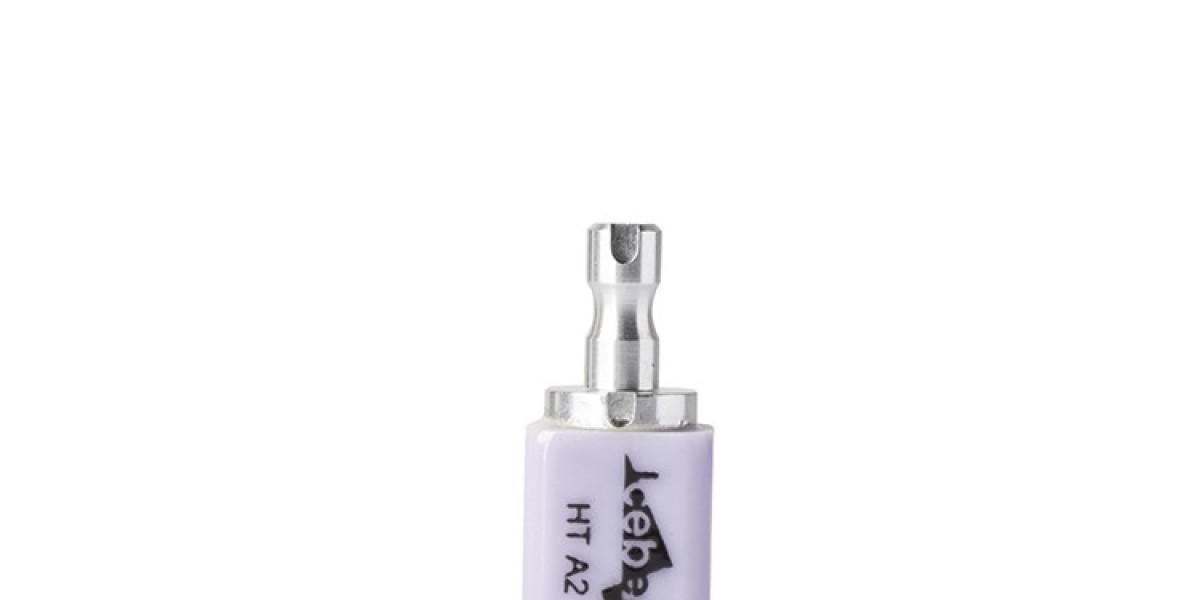

Milling crack, sintering deformation and inconsistent marginal gap are three major material failure issues that cause lab order remakes every day. Many procurement managers cannot judge the internal stability of zirconia block only by surface appearance, leading to continuous loss of raw materials and labor cost. Drawing on seven years of material testing work with digital dental production lines, this article breaks down core indicators that decide zirconia block performance in milling and sintering links, citing ISO13485 medical material testing standards and hundreds of lab comparative test cases to teach buyers to identify stable qualified zirconia blanks.
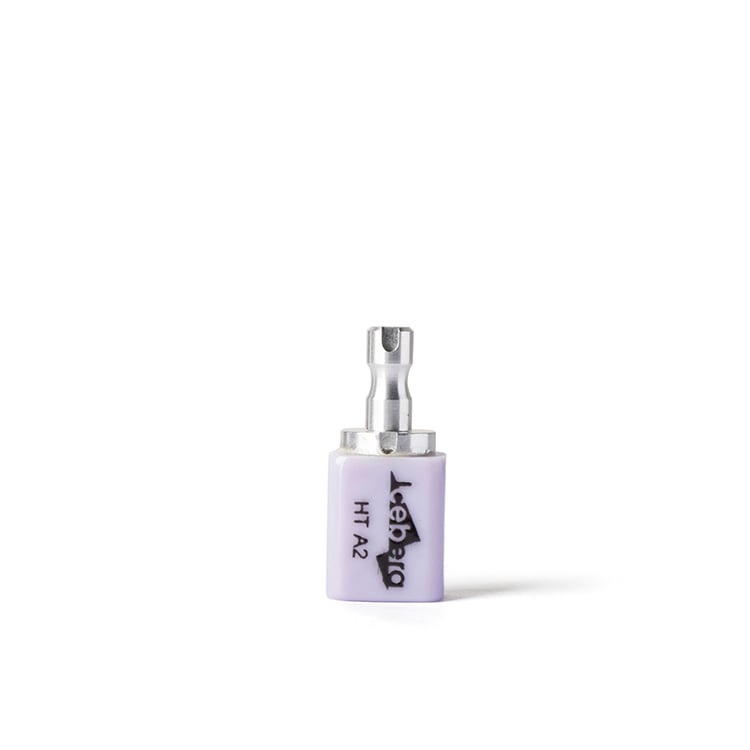
Hidden internal residual stress inside unprocessed zirconia block is the primary cause of edge chipping and tiny cracks during high-speed milling. Dry pressed low-end zirconia blanks lack slow pre-sintering procedures, and uneven powder accumulation creates chaotic internal stress distribution. Once milling cutter touches blank surface, stress releases instantly to split the restoration edge, generating unrepairable scrap products. ISO13485 medical ceramic material standard clearly requires qualified dental zirconia block to pass constant temperature slow pre-sintering to release internal stress evenly. A CAD CAM technician with seven years of testing experience recorded comparative milling test results: ordinary dry pressing blanks reach twenty two percent milling scrap rate, while ICERA zirconia blocks processed with double slow pre-sintering technology keep scrap rate lower than three percent. Uniform internal stress distribution makes the blank maintain smooth complete edge outline even under maximum speed milling parameter setting of mainstream dental milling machines.
Sintering shrinkage deviation directly triggers marginal gap between restoration and tooth preparation surface, which is the top complaint index from cooperative dental clinics. The purity of zirconia raw powder and stabilizer mixing proportion control the shrinkage fluctuation range of finished blanks. Industrial mixed zirconia powder contains impurity particles that expand unevenly under high temperature, creating irregular shrinkage difference in different blank areas. Retrospective data collected from twenty global dental labs shows that blanks with zirconia purity lower than ninety nine point five percent carry shrinkage error over one percent. ICERA exclusively adopts ninety nine point nine nine percent medical grade zirconia powder with fixed three mole percent yttrium stabilizer proportion. Every batch of finished blanks undergoes twenty point fixed point shrinkage measurement, limiting overall shrinkage error within zero point three percent. Lab technicians only need to set one unified milling compensation parameter for long term mass production without repeated modification for new blank batches.
Even if no damage appears after milling, uneven crystal structure inside zirconia block may form invisible microcracks after heating sintering. These tiny cracks expand gradually under daily occlusal force after clinical delivery, eventually causing restoration fracture within one to three years. Professional zirconia blank manufacturers control crystal grain size evenly through precise temperature control in forming and pre-sintering workshops. Peer reviewed dental ceramic research published on PMC verifies that grain size difference exceeding zero point five micrometer will greatly raise microcrack risk after sintering. ICERA cold isostatic pressing molding technology ensures consistent crystal grain growth across the whole blank. In three years of clinical follow-up of more than two hundred restoration cases made by this brand’s zirconia blocks, zero feedback of spontaneous microcrack expansion after sintering was collected, effectively reducing long term after-sales repair pressure for dental labs.
Many labs switch blank suppliers temporarily due to price discounts, only to face sudden changes in milling and sintering performance of new material batches. Small factories adjust powder formula randomly to cut production cost, making every batch of zirconia blocks carry different stability indexes, disturbing lab fixed production parameter system. ICERA implements fully fixed raw material formula and closed automatic production flow, without random adjustment of powder proportion for cost reduction. All production equipment runs under constant standardized parameters all year round, and each production batch stores complete test record files for traceability. For labs with long term bulk purchase cooperation, the brand locks unified material performance standards permanently, guaranteeing no sudden fluctuation of milling and sintering stability during long term order processing.
Closing Paragraph
The stability performance of zirconia block in milling and sintering procedures directly decides lab scrap loss, remake frequency and long term clinical feedback. Key judgment standards include internal stress elimination degree, raw powder purity, crystal uniformity and standardized batch production management. ICERA series zirconia blanks strictly follow international medical material testing standards in all production links, delivering consistent stable processing performance for digital dental labs of all scales around the world.