
Introduction
Cross border distributors and craft shop owners often face confusion when allocating shelf space for sewing equipment. Many fail to distinguish core functional gaps between mini sewing machine and full size household sewing machine, leading to mismatched inventory and low sales turnover. This detailed comparison sorts out performance boundaries, target user groups and wholesale profit margins of two mainstream product categories, helping buyers optimize product mix and avoid blind bulk orders.
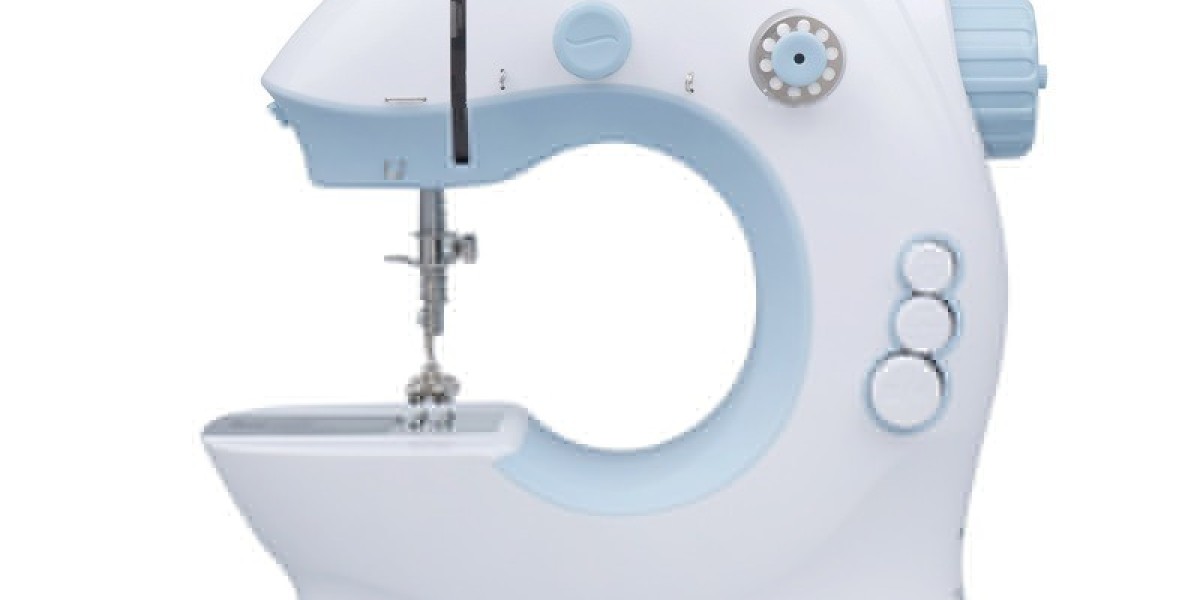
Mini Sewing Machine Core Structural Advantages Mini sewing machine adopts compact integrated plastic frame design to cut overall weight greatly, most finished units weigh below 1.2 kilograms and occupy less desk space than a standard laptop. This lightweight feature makes it a top pick for apartment dwellers, student craft lovers and gift set matching products. Standard dual speed control and reverse sewing function are reserved on all mainstream mini models to cover daily mending tasks like hem adjustment, cloth tear repair and simple doll clothing making. Built in automatic bobbin winding mechanism eliminates extra winding tools, lowering accessory configuration cost for wholesale packaging. Most mini sewing machine supports thin fabrics such as cotton, linen and chiffon, with stable stitching performance under low load continuous use. Mass production lines maintain unified mold standards to ensure consistent appearance color and operation feel for each shipment batch, reducing customer return risks caused uneven product quality.
Household Sewing Machine Performance Edge For Complex Projects Standard household sewing machine equips partial metal internal transmission components to support thicker fabric sewing including denim, canvas and thick quilt layers. More built in stitch patterns ranging from 16 to 59 cover decorative stitching, buttonhole making and quilting functions that mini models cannot complete. Larger extended sewing table expands operating space for large textile crafts such as bed sheet modification and garment full piece tailoring. Adjustable presser foot pressure adapts fabric thickness changes automatically to avoid fabric slipping during high speed sewing. Higher maximum stitch speed up to 500 stitches per minute improves production efficiency for home based tailors and small micro workshops. Complete accessory kits including multiple presser feet, spare needles and thread spools raise product added value and attract repeat bulk orders from garment craft suppliers.
Differentiated Market Position Of Two Sewing Machine Types Mini sewing machine targets entry level consumers, gift markets and low price retail channels such as supermarket craft sections and online budget stores. Its low single unit cost brings higher gross profit space for distributors with small MOQ flexible shipment support. Household sewing machine serves experienced hobbyists, small tailor studios and middle high end craft retail shops that demand multifunctional sewing performance. Distributors can combine two categories as one stop procurement package to cover all consumer tier demands from beginners to skilled sewists. Seasonal sales data shows mini sewing machine sales surge during holiday gift seasons while household sewing machine maintains stable year round order volume from workshop clients. Matching mixed container shipment reduces single product overstock risk and balances overall inventory capital occupation for cross border wholesalers.
Wholesale Sourcing Suggestions Based On Machine Classification For distributors focusing on gift and student markets, prioritize mini sewing machine models with rich color options and compact gift box packaging. Confirm CE ROHS certification completeness before placing bulk orders to pass customs inspection smoothly in European and Southeast Asian regions. Clients serving garment micro workshops should allocate 60 percent procurement volume to multifunctional household sewing machine with abundant stitch selections and thick fabric sewing capacity. Request factory to provide sample test videos showing denim stitching and buttonhole operation to verify real machine performance. Stable factory stock supports mixed batch delivery of mini and household sewing machine without separate production scheduling delay. Long term cooperative distributors can obtain customized outer box printing service to print private brand logos on machine packaging for exclusive retail market layout.